



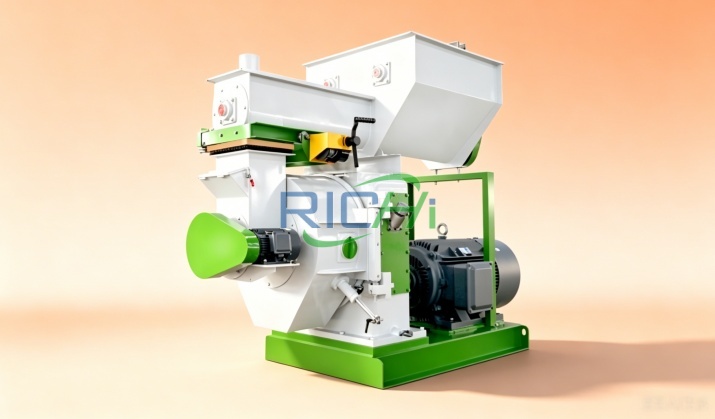
Turning Agricultural Residues Into Valuable Energy Resources
Agricultural production has always been closely connected with natural resources. While crops provide essential food and materials, they also generate large amounts of by-products such as peanut shells, rice husks, straw, and other plant residues. For many years, these materials were often treated as waste because of limited processing methods and insufficient utilization channels.
Today, the situation is changing. With the increasing demand for renewable energy and sustainable development, agricultural residues are becoming valuable resources for biomass fuel production. Instead of being burned openly or discarded, these materials can be processed into clean and efficient fuel pellets.
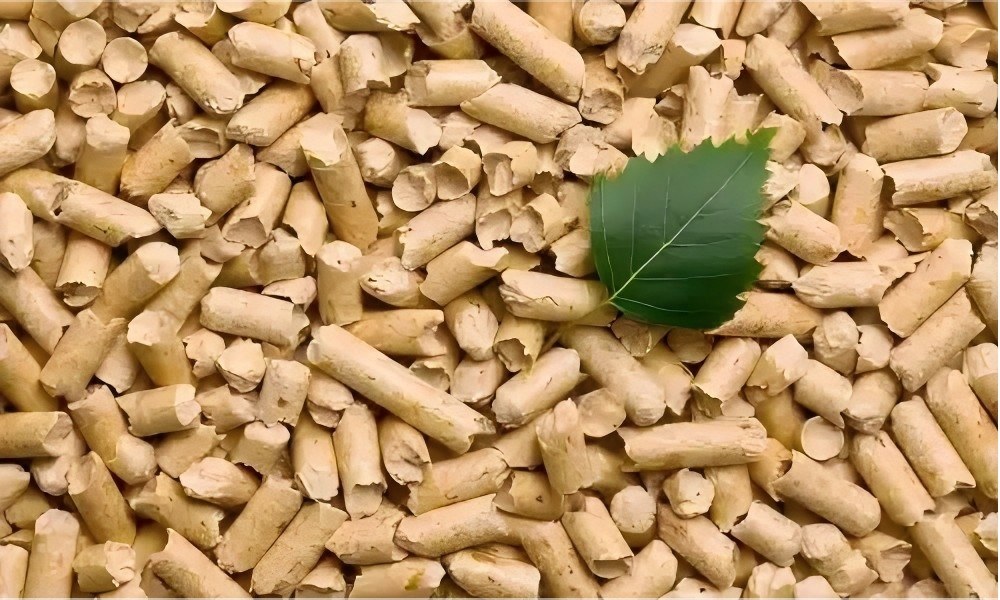
Among various agricultural residues, peanut shells have attracted significant attention because they are widely available in many farming regions and contain suitable fiber structures for pellet production. Through compression technology, loose peanut shells can be transformed into dense pellets with higher energy density and better storage performance.
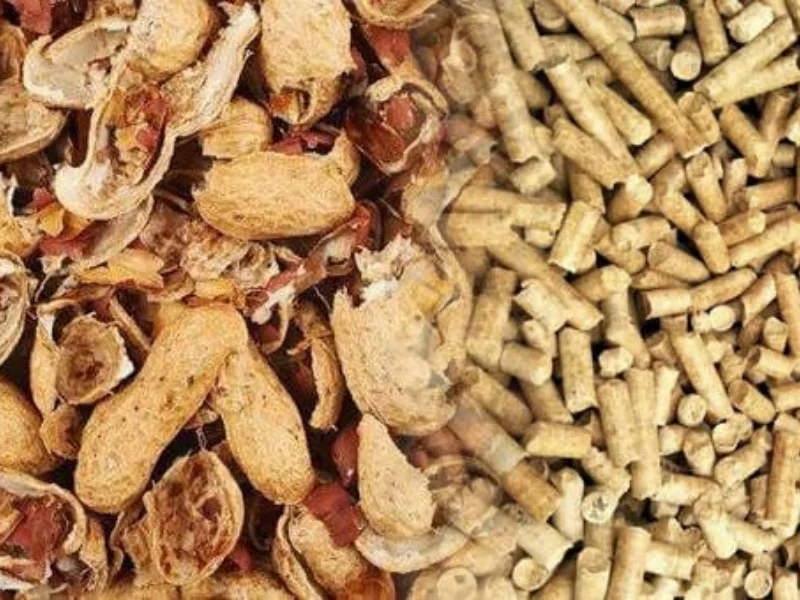
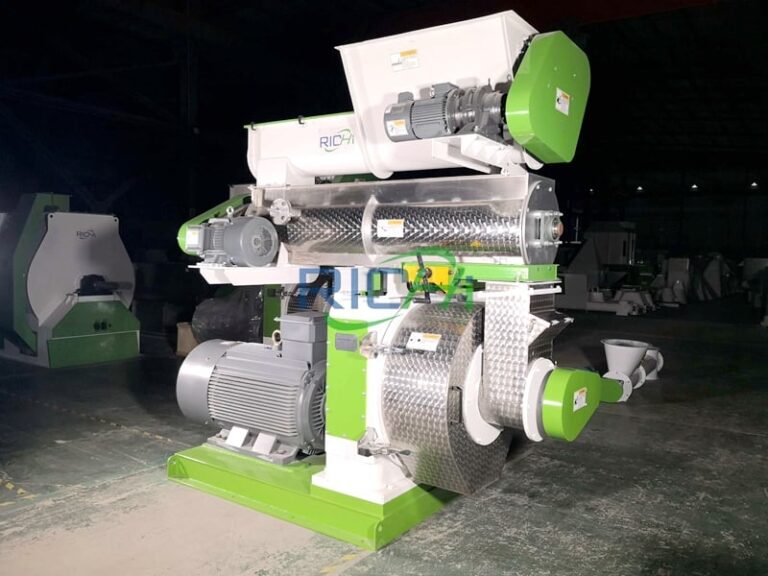
A modern peanut shell pellet machine provides an effective way for agricultural enterprises to process peanut shell waste into commercial biomass fuel. This technology allows companies to reduce waste problems while creating additional economic value from existing resources.
The Growing Market Potential of Biomass Pellets
The global energy market is gradually moving toward cleaner and more sustainable solutions. Industries that traditionally rely on coal and other fossil fuels are exploring renewable alternatives to reduce operating costs and environmental impact.
Biomass pellets have become one of the practical options because they are produced from renewable organic materials. Unlike limited fossil resources, agricultural residues can be continuously generated through farming activities.
Peanut shell pellets are especially attractive for companies located near peanut processing areas. Large quantities of shells are produced during peanut cleaning and processing, creating a stable raw material supply for pellet production.
By establishing a biomass pellet project, agricultural businesses can develop a new revenue stream. Waste materials that previously required disposal can be converted into fuel products for industrial boilers, heating systems, and energy applications.
This transformation represents a shift from traditional waste management toward a circular economy model, where agricultural by-products are reused and given new value.
How Pellet Technology Improves Agricultural Waste Utilization
Producing high-quality biomass pellets requires a carefully designed processing system. Agricultural residues usually need several treatment stages before they become suitable fuel products.
The first stage involves raw material preparation. Peanut shells and other biomass materials may contain irregular particles, so crushing is necessary to achieve a consistent size. Proper particle size improves compression performance and helps create stronger pellets.
Moisture control is another essential factor. Materials with unsuitable moisture content may affect pellet durability and production efficiency. Therefore, drying or moisture adjustment is often included in professional biomass processing systems.
The pelletizing process is the core step where prepared materials are compressed under high pressure. A reliable peanut shell pellet making machine can ensure stable production and consistent pellet quality.
For businesses planning commercial biomass projects, production scale must also match available resources and market requirements. Many investors study existing biomass solutions before making decisions. For example, a 2-3 T/H rice husk pellet plant for sale can serve as a reference model for companies interested in medium-scale agricultural residue processing.
Although rice husk and peanut shells have different characteristics, both require professional equipment design and efficient production management to achieve successful operation.
Selecting the Right Equipment for Long-Term Development
Equipment selection directly influences the efficiency and profitability of a biomass pellet project. A suitable system should not only meet current production requirements but also provide flexibility for future expansion.
Important factors that businesses should consider include:
Raw Material Compatibility
Different biomass materials have different physical properties. Equipment should be selected according to material hardness, moisture content, fiber structure, and production conditions.
Production Capacity
The machine capacity should match the available raw material supply and expected market demand. Choosing the correct production scale helps avoid unnecessary investment costs.
Operating Efficiency
Energy consumption, automation level, and maintenance requirements all affect the long-term operating cost of a pellet production facility.
Technical Support
Professional installation, training, and after-sales service can help ensure stable operation after project completion.
Experienced suppliers can provide customized solutions based on customer needs. Companies such as Richi manufacture focus on developing biomass processing equipment and complete production solutions for different agricultural materials.
By working with professional manufacturers, investors can better understand equipment configuration, production processes, and potential challenges before starting a project.
Supporting a More Sustainable Agricultural Industry
The development of biomass pellet production is closely connected with sustainable agriculture. Traditional farming systems often focus mainly on crop production, while modern approaches aim to maximize the value of every resource generated during agricultural activities.
Converting peanut shells into biomass fuel supports this goal by creating a useful application for agricultural waste. It reduces dependence on traditional disposal methods and encourages more efficient resource management.
For food processing companies, biomass pellet production can also improve overall business efficiency. Waste handling costs can be reduced, and additional income can be generated through fuel sales or internal energy use.
This approach demonstrates how agriculture and renewable energy can work together. Farmers, processors, and energy users can all benefit from a more connected and sustainable resource cycle.
The Role of Advanced Biomass Equipment in Future Energy Development
As renewable energy demand continues to increase, biomass processing technology will continue to improve. Future pellet production systems are expected to focus on higher automation, better energy efficiency, and smarter operation management.
Advanced equipment helps businesses transform agricultural residues into standardized fuel products that meet market requirements. From small agricultural enterprises to large industrial projects, efficient pellet solutions provide opportunities for different types of investors.
When researching biomass pellet production technologies, businesses should evaluate reliable information sources and compare different solutions carefully. Those interested in learning more about equipment applications and industry developments can look at this website for additional insights.
Biomass Pellets: A Practical Path Toward Cleaner Energy
The transition from agricultural waste to renewable fuel represents an important step toward sustainable development. Peanut shells, rice husks, and other residues are no longer simple waste materials but valuable resources that can support cleaner energy systems.
With the help of efficient pellet processing technology, agricultural enterprises can reduce waste, improve resource utilization, and explore new business opportunities.
The future of biomass energy will depend on innovative equipment, responsible resource management, and continued investment in renewable solutions. By adopting advanced pellet production methods, businesses can contribute to environmental protection while building profitable and sustainable operations.
Agricultural waste has the potential to become a key part of the renewable energy future. Through modern pellet technology and professional production solutions, unused residues can be transformed into valuable fuel that benefits both industry and the environment.
(Related Post: https://biomasspelletizer.com/husk-pellet-machine/)