


Define the Product Before Comparing Machines
Equipment selection should begin with the material and finished product, not simply a machine’s advertised capacity. Paper cat litter can be produced from different recovered paper streams, and those streams may vary in fiber structure, moisture, contamination, and processing behavior.
A paper cat litter pellet machine is a central component of the process, but its suitability depends on the condition of the prepared material and the specifications of the intended pellets. A machine that performs well with one formulation may require different settings or supporting equipment when the raw material changes.
Before requesting quotations, manufacturers should define their product dimensions, target output, packaging format, and essential quality requirements. These details help suppliers recommend an appropriate configuration.
Assess the Raw Material Preparation Requirements
Shredding and Crushing
Bulky waste paper usually needs to be reduced in size before it can move consistently through a production system. Shredders are useful for primary size reduction, while finer crushing may be necessary to achieve a more uniform material structure.
The required equipment depends on the incoming paper. A business handling clean office paper may have different preparation needs from a facility processing cardboard or mixed recovered fiber. Equipment should be selected after inspecting representative samples.
Excessive size reduction can increase energy consumption and create dust without necessarily improving the finished product. The goal is to achieve material characteristics suitable for the chosen formulation and pelletizing process.
Sorting and Contamination Control
Paper recovery streams can contain staples, plastic, adhesive residues, coatings, and other unwanted materials. Some contaminants can damage machinery, while others may affect the suitability of the finished litter.
A receiving and sorting procedure should identify unacceptable materials before they enter the processing line. The factory should also establish how rejected material is stored and removed to prevent accidental mixing with accepted feedstock.
Match the Pellet Mill to the Formulation
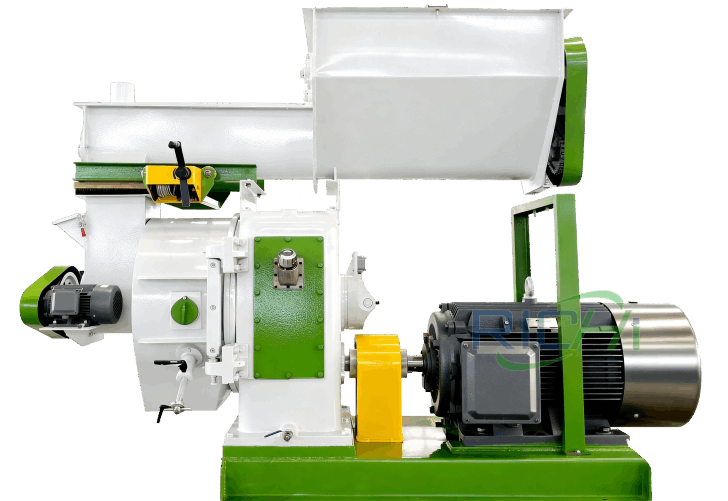
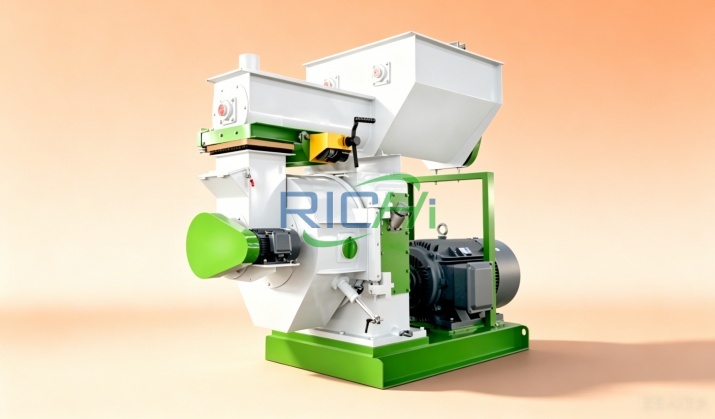
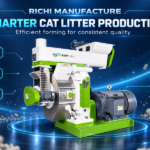
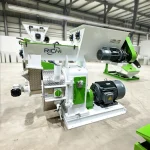
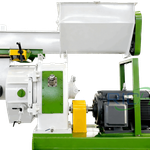
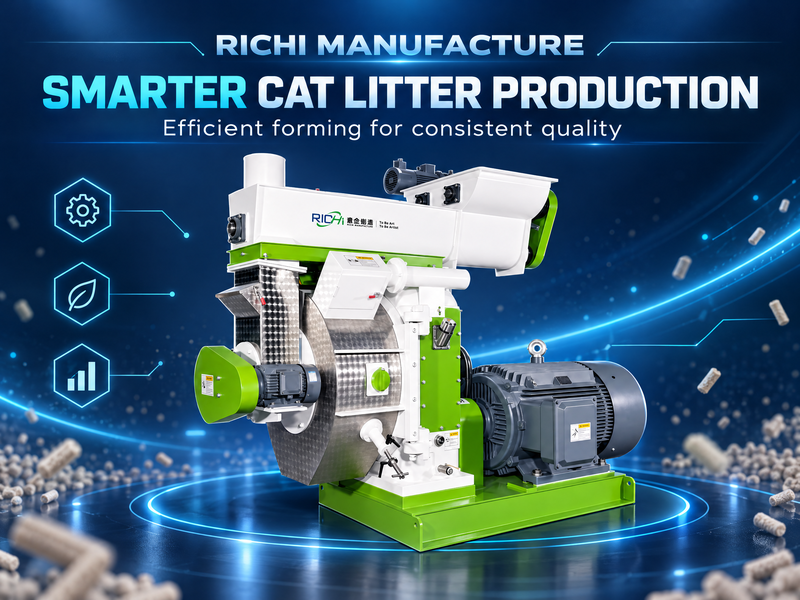
A pellet mill compresses prepared material through die openings, forming granules that are subsequently cut to the required length. The die, rollers, feeder, motor, and cutting arrangement must work together under the expected operating conditions.
A stable feeder helps maintain a consistent material supply. Irregular feeding can affect machine loading and create variations in the finished pellets. Die condition and roller maintenance also influence process stability and should be included in the equipment evaluation.
A automatic cat litter production line can coordinate multiple stages, but automation cannot compensate for unsuitable raw material or an incorrectly designed process. The complete system must be configured around the paper formulation.
Compare the Whole Process, Not Just the Main Machine
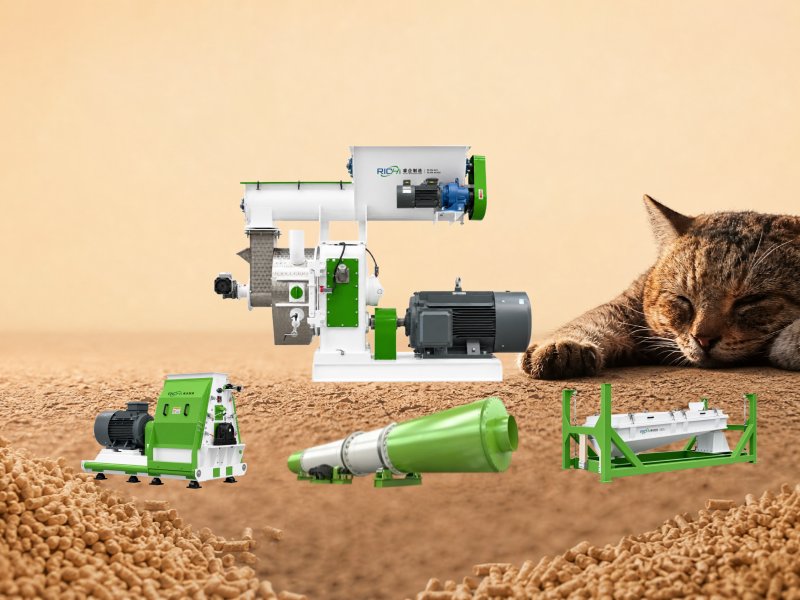
The equipment proposal should identify the functions and capacities of the shredder, crusher, mixer, pellet mill, cooler, screen, conveyor, and packaging system where these are required.
A high-capacity pellet mill may be limited by a smaller cooler or screen. Likewise, preparation equipment that cannot supply material at a stable rate may prevent the main machine from reaching its expected throughput.
The factory should therefore evaluate the production line as a connected system. Each stage should have a clear role, and the layout should allow safe access for cleaning, maintenance, and inspection.
Understand Cooling and Screening Requirements
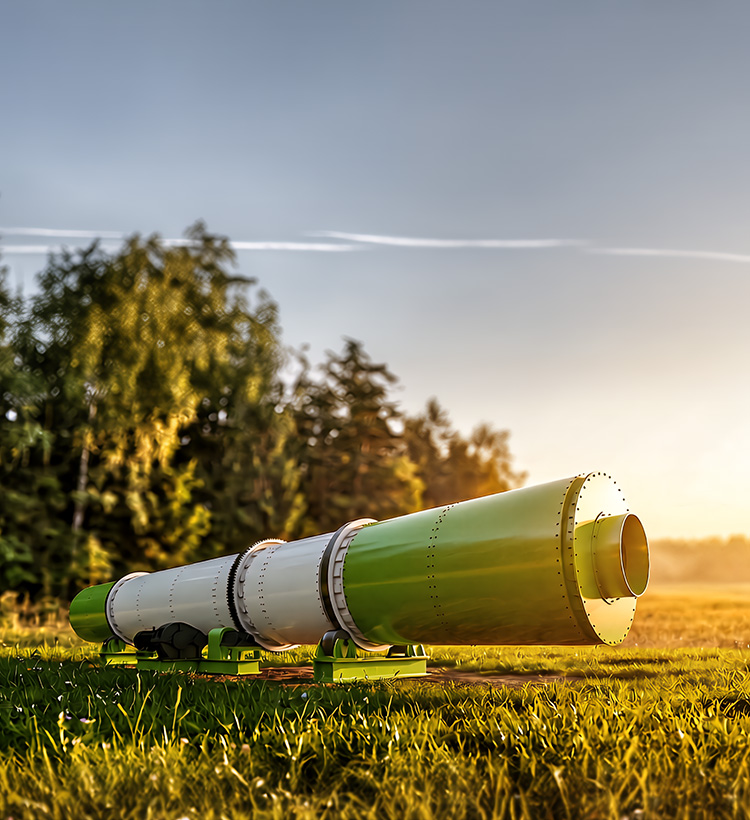
Freshly formed pellets may contain residual heat and moisture. Cooling helps bring the product to a more suitable condition for subsequent handling, while screening removes excessive fines and oversized granules.
The cooler and screen should be matched to the expected output and the characteristics of the paper formulation. Their performance should be checked during trial production rather than assumed from nominal capacity alone.
The manufacturer should also determine whether screened material can be reprocessed. Reuse may reduce waste when the material remains clean and suitable, but the return process should be controlled to avoid inconsistent product quality.
Evaluate Capacity and Operating Costs
Capacity requirements should be based on the available raw material, expected sales, working hours, and desired finished-product output. Nominal machine throughput should not be treated as guaranteed saleable production.
Energy consumption may come from shredding, crushing, mixing, pelletizing, conveying, and drying where necessary. Labor, maintenance, spare parts, packaging, and transportation should also be included in the operating cost model.
A realistic comparison should consider the expected output quality and the level of preparation required. The least expensive equipment package may not provide the lowest cost per tonne if it creates bottlenecks or produces excessive fines.
Request a Specification-Based Proposal
Before purchasing equipment, manufacturers should provide the supplier with a description of the paper grade, moisture range, expected contamination, target pellet size, and desired capacity. Sample testing can help clarify which equipment stages are necessary.
The article source can serve as an initial reference when comparing machine functions, but the final selection should be based on project-specific requirements and verified technical information.
A suitable pellet mill machine should be supported by compatible preparation and finishing equipment, clear maintenance requirements, and operating procedures appropriate for the intended material.
Conclusion
Choosing equipment for paper cat litter production requires an understanding of the feedstock, the desired product, and the entire manufacturing process. By comparing complete configurations and validating the material through trials, manufacturers can make more informed investment decisions and establish a stable production system.
View details: https://www.richimanufacture.com/cat-litter-pellet-machine/