




As global energy demand continues to rise and environmental concerns become more urgent, industries and governments around the world are actively searching for cleaner and more sustainable alternatives to fossil fuels. Among the many renewable energy options available today, biomass fuel pellets have emerged as one of the most practical and energy-efficient solutions. Biomass pellets are now widely used in industrial boilers, biomass power plants, commercial heating systems, and residential energy applications because they offer high combustion efficiency, stable energy output, and lower environmental impact compared to traditional fuels such as coal.
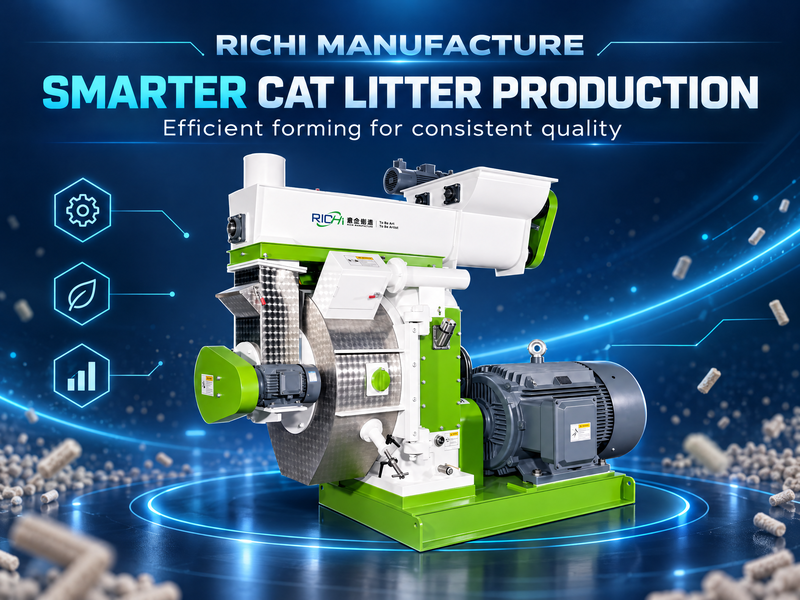
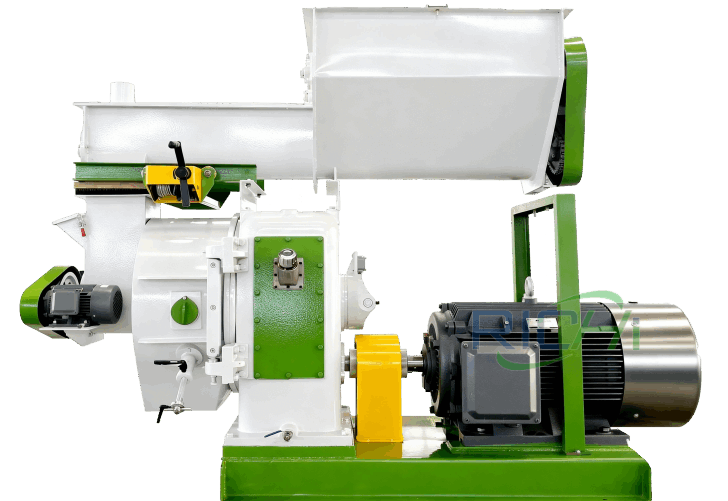
One of the most important reasons biomass fuel pellets are gaining popularity is their ability to convert low-density agricultural and forestry waste into compact, high-energy fuel products. Advanced equipment such as the rice husk pellet maker allows difficult agricultural materials to be transformed into efficient renewable energy sources suitable for large-scale industrial use.
This article explains in detail what makes biomass fuel pellets more energy efficient, including raw material characteristics, pellet density, moisture control, combustion performance, production technology, and the role of modern pelletizing equipment in renewable energy development.
1. Understanding Biomass Fuel Pellets
Biomass fuel pellets are dense cylindrical fuel products produced by compressing organic biomass materials under high pressure.
Common raw materials include:
- Sawdust
- Rice husks
- Wheat straw
- Corn stalks
- Peanut shells
- Bamboo waste
- Bagasse
- Wood chips
These materials are renewable because they come from continuously generated agricultural and forestry activities.
Pelletizing significantly improves the energy performance of biomass materials by increasing density and combustion efficiency.
2. Why Energy Efficiency Matters
Energy efficiency is one of the most important factors in fuel selection.
Efficient fuels provide:
- More heat output per unit of fuel
- Lower fuel consumption
- Reduced transportation cost
- Lower storage requirements
- Reduced environmental impact
Biomass fuel pellets are designed to maximize usable energy while minimizing waste and emissions.
3. Higher Density Improves Energy Efficiency
Raw biomass materials are often bulky and low in density.
Examples include:
- Loose rice husks
- Straw
- Sawdust
- Corn stalks
These materials are difficult to transport, store, and burn efficiently.
Pelletizing compresses loose biomass into dense fuel pellets, greatly increasing energy concentration.
3.1 Why Density Matters
High-density pellets provide:
- More energy per unit volume
- More stable combustion
- Better transportation efficiency
- Reduced fuel handling cost
This is one of the primary reasons biomass pellets are more energy efficient than loose biomass materials.
4. Moisture Reduction Improves Combustion Efficiency
Moisture content has a major impact on fuel performance.
Raw biomass materials often contain high moisture levels that reduce combustion efficiency.
4.1 Problems Caused by Excess Moisture
High moisture causes:
- Lower combustion temperature
- Reduced heat output
- Increased smoke production
- Higher energy loss during burning
Part of the fuel’s energy is wasted evaporating water instead of producing heat.
4.2 Pellet Production Reduces Moisture
During pellet production:
- Raw materials are dried
- Moisture is controlled carefully
- Pellets are stabilized for efficient combustion
Lower moisture content significantly improves energy efficiency.
5. Uniform Size and Shape Improve Burning Performance
Biomass fuel pellets have consistent:
- Diameter
- Length
- Density
- Moisture content
This uniformity allows:
- Stable feeding into boilers
- Predictable combustion rates
- More efficient heat generation
Coal often varies significantly in size and quality, while pellets provide more controlled combustion behavior.
6. Improved Combustion Characteristics
Biomass pellets burn more efficiently because they are engineered for optimized combustion.
Advantages include:
- More complete burning
- Reduced smoke
- Stable flame characteristics
- Lower unburned residue
Efficient combustion means more usable energy is extracted from the fuel.
7. The Role of the Rice Husk Pellet Maker
Rice husks are one of the most abundant agricultural residues in the world, especially in rice-producing countries.
However, raw rice husks have several disadvantages:
- Low density
- Difficult handling
- Poor direct combustion performance
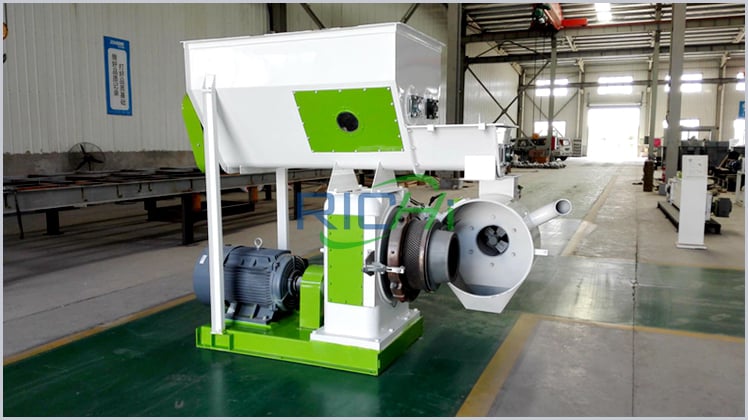
The rice husk pellet maker solves these problems by compressing rice husks into dense fuel pellets.
7.1 How the Rice Husk Pellet Maker Improves Efficiency
The machine works by:
- Compressing rice husks under high pressure
- Increasing fuel density
- Improving combustion performance
- Reducing storage and transport volume
This transforms low-value agricultural waste into efficient renewable fuel.
8. Better Transportation Efficiency
Transportation efficiency is an important part of total energy efficiency.
Loose biomass materials occupy large volumes and are expensive to transport.
Pelletizing improves transportation efficiency because pellets:
- Have higher density
- Require less storage space
- Reduce transportation frequency
- Improve loading efficiency
This lowers the total energy consumed in logistics.
9. Reduced Storage Losses
Raw biomass materials often absorb moisture during storage and may decompose over time.
Pellets are more stable because they:
- Contain lower moisture
- Resist biological degradation
- Produce less dust
This helps preserve energy value during long-term storage.
10. High Calorific Value of Biomass Pellets
Calorific value measures the amount of heat energy produced during combustion.
Many biomass pellets provide high calorific values suitable for industrial energy applications.
Examples:
- Wood pellets → high calorific value
- Peanut shell pellets → strong heat output
- Rice husk pellets → stable industrial fuel
Proper pellet production improves fuel energy concentration.
11. Improved Boiler Performance
Modern industrial boilers are increasingly designed for pellet fuel systems.
Pellet fuel improves boiler performance through:
- Stable feeding
- Consistent combustion
- Reduced ash handling
- Improved thermal efficiency
Efficient boilers extract more energy from biomass pellets.
12. Reduced Ash and Cleaner Combustion
Compared with some fossil fuels, biomass pellets often produce lower harmful emissions.
Advantages include:
- Reduced sulfur emissions
- Lower smoke levels
- Reduced particulate pollution
Cleaner combustion improves both environmental and thermal efficiency.
13. Carbon-Neutral Energy Cycle
Biomass energy is considered nearly carbon-neutral because plants absorb carbon dioxide during growth.
When pellets are burned:
- Carbon previously absorbed is released
- No additional fossil carbon enters the atmosphere
This makes biomass a more sustainable energy source than coal.
14. Efficient Utilization of Agricultural Waste
Biomass pellets convert agricultural waste into useful energy products.
Without pelletizing, many agricultural residues would be:
- Burned openly
- Left unused
- Disposed of as waste
Using equipment such as the rice husk pellet maker improves resource utilization and reduces waste.
15. Modern Pellet Production Technology
Modern biomass pellet plants use advanced technology to improve fuel quality and efficiency.
Innovations include:
- Intelligent moisture control
- High-efficiency motors
- Automated feeding systems
- Advanced cooling systems
- Real-time production monitoring
These technologies improve both pellet quality and production efficiency.
https://pelletisingmachine.com/rice-husk-pellet-machine
16. Automation and Smart Control Systems
Automation increases efficiency by reducing operational errors.
Modern systems monitor:
- Moisture levels
- Temperature
- Compression pressure
- Pellet density
This ensures consistent pellet quality and optimal energy performance.
17. Why Pellet Density Matters in Energy Output
Dense pellets contain more combustible material per unit volume.
Benefits include:
- Longer burning time
- Higher heat output
- More stable energy supply
Proper compression inside the rice husk pellet maker is critical for achieving high density.
18. Reduced Fuel Waste
Biomass pellets generate less waste during handling and combustion.
Advantages include:
- Lower dust loss
- Reduced spillage
- More complete fuel consumption
This increases total usable energy efficiency.
19. Industrial Demand for Efficient Renewable Fuel
Industries are increasingly adopting biomass pellets because they provide:
- Stable energy supply
- Reduced environmental impact
- Lower long-term fuel costs
- Compliance with emission regulations
This demand continues driving growth in biomass pellet production.
20. Economic Benefits of Energy-Efficient Biomass Pellets
Higher energy efficiency improves profitability by:
- Reducing fuel consumption
- Lowering transportation cost
- Improving combustion performance
- Increasing market competitiveness
Efficient fuel products attract industrial customers seeking cost-effective renewable energy solutions.
21. Challenges in Maintaining Pellet Efficiency
Despite many advantages, maintaining high pellet efficiency requires proper management.
Challenges include:
- Moisture variability
- Poor raw material quality
- Machine wear
- Inconsistent pellet density
Proper equipment maintenance and production control are essential.
22. Future Trends in Biomass Energy Efficiency
Future innovations may include:
- AI-based combustion optimization
- Smart pellet quality monitoring
- Improved die materials
- Ultra-efficient biomass boilers
- Advanced drying systems
These technologies will further improve biomass fuel efficiency.
23. Why Biomass Pellets Are Becoming More Competitive
Several factors are increasing the competitiveness of biomass fuel pellets:
- Rising fossil fuel prices
- Carbon reduction policies
- Improved pellet technology
- Better combustion systems
- Growing renewable energy demand
As production technology improves, biomass pellets continue becoming more energy efficient and economically attractive.
Conclusion
Biomass fuel pellets are more energy efficient because they combine high density, low moisture content, uniform combustion characteristics, and optimized fuel structure into a compact renewable energy product. Through modern pelletizing technology, agricultural and forestry waste can be transformed into stable, high-performance fuel suitable for industrial and commercial energy applications.
Equipment such as the rice husk pellet maker plays a crucial role in this transformation by converting difficult biomass materials into dense, efficient fuel pellets. As renewable energy demand continues growing worldwide, biomass fuel pellets will remain one of the most practical and energy-efficient alternatives to fossil fuels in the global transition toward sustainable energy systems.