





Every year, rice farming regions generate enormous quantities of straw residues. Traditionally, much of this agricultural waste was burned in open fields or discarded after harvest. However, rising environmental concerns and increasing renewable energy demand are changing how industries view rice straw.
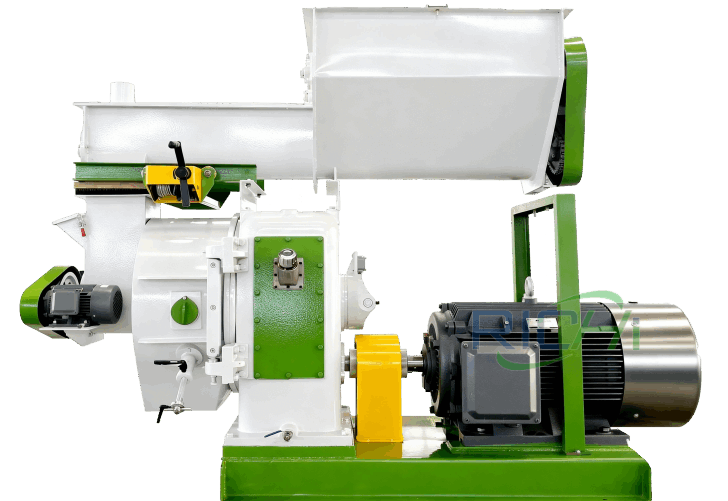
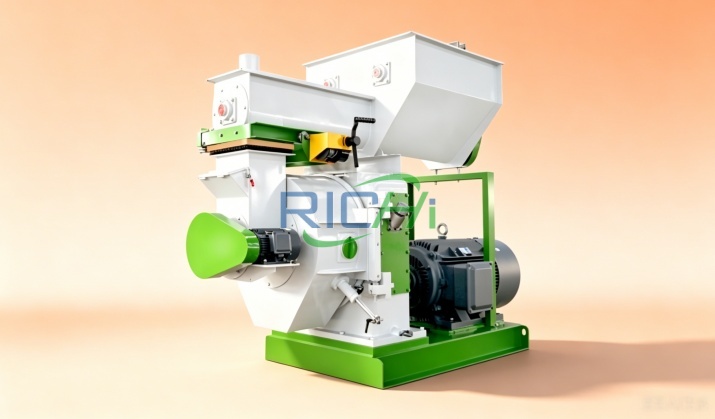
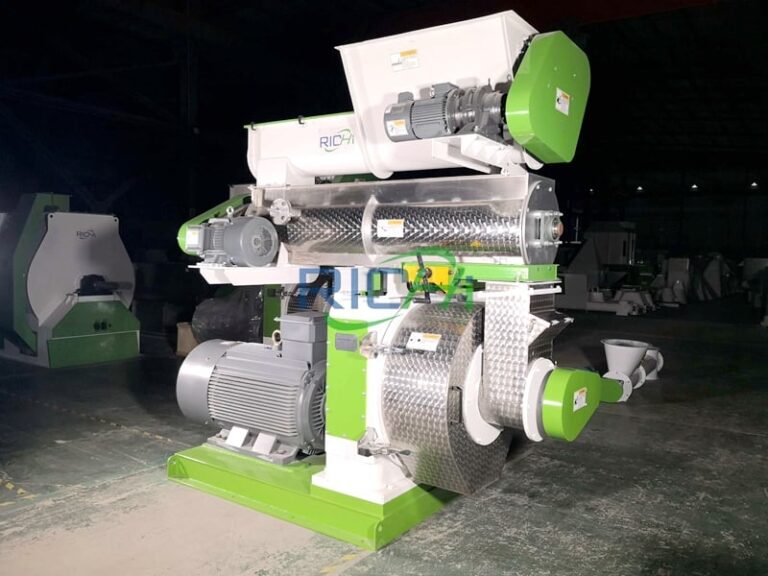
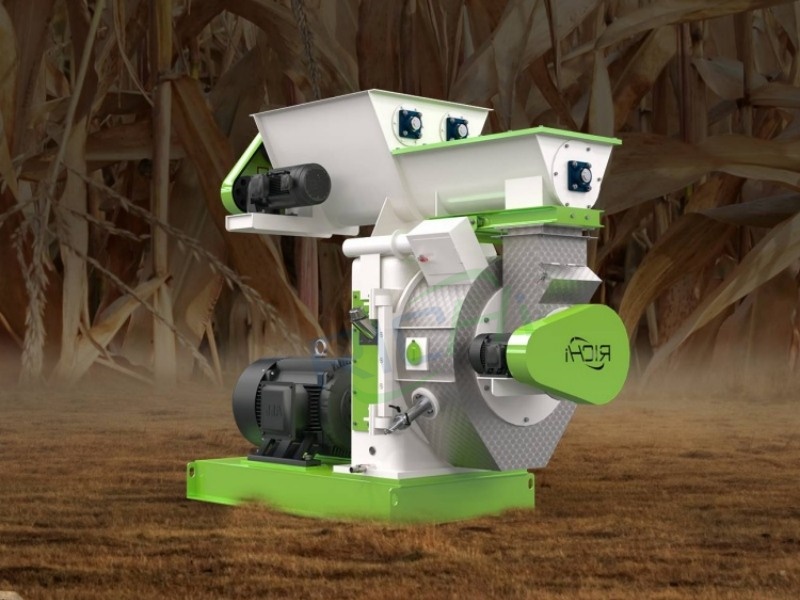
Instead of treating straw as waste, biomass manufacturers are converting it into high-density fuel pellets suitable for industrial heating systems and renewable power generation. This shift has significantly increased global interest in the rice straw pellet making machine.
Biomass pellets now play an important role in helping industries reduce emissions while improving fuel sustainability.
The Growing Global Demand for Biomass Fuel
Several major factors are driving international biomass market expansion.
Environmental Regulations
Governments are introducing stricter policies to reduce industrial carbon emissions.
Fossil Fuel Price Instability
Industries seek more stable and renewable energy alternatives.
Agricultural Waste Utilization
Biomass pellet production creates commercial value from low-cost raw materials.
Renewable Energy Investment
More companies are investing in sustainable energy infrastructure.
These trends have increased demand for advanced pellet production systems across global markets.
How Rice Straw Pellet Production Works
Modern biomass pellet facilities use multiple integrated processing systems.
Material Collection
Rice straw is gathered from agricultural fields and transported to the processing facility.
Crushing and Grinding
Large straw materials are reduced into smaller particles.
Drying Process
Moisture control is critical for efficient pelletizing.
Pellet Compression
The pellet mill compresses biomass under high pressure through ring dies.
Cooling and Packaging
Finished pellets are cooled, screened, and packaged for industrial customers.
A professional 5-6 T/H industrial straw pellet plant solution is typically designed for continuous industrial-scale production with intelligent automation features.
Why Pelletized Biomass Is More Efficient
Compared with loose agricultural residues, pellets offer several major advantages.
Better Transportation Efficiency
Dense pellets reduce transportation and storage costs.
Cleaner Fuel Handling
Pellets generate less dust during movement and storage.
Stable Combustion
Uniform pellet size improves fuel efficiency.
Easier Industrial Automation
Industrial boilers can automatically feed pellet fuel.
Stronger Export Opportunities
Many countries import biomass pellets for renewable energy applications.
These advantages explain why pellet fuel demand continues growing internationally.
Industries Using Straw Biomass Pellets
Industrial Manufacturing
Factories use biomass fuel for steam generation and thermal energy.
Food Processing
Heating systems increasingly adopt renewable biomass fuel.
Biomass Power Plants
Power stations co-fire pellets with coal to reduce emissions.
Agriculture
Greenhouses and poultry farms use biomass heating systems.
Commercial Heating
Large heating facilities increasingly switch to biomass fuel systems.
The broad range of applications supports long-term biomass market growth.
Important Factors When Choosing Pellet Equipment
Not all pellet systems are suitable for straw processing. Investors should evaluate several key areas.
Equipment Durability
Agricultural straw requires wear-resistant compression systems.
Production Capacity
The production line should match local fuel demand.
Automation Level
Intelligent automation improves efficiency and consistency.
Energy Consumption
Efficient equipment lowers operating costs.
Technical Service
Reliable support minimizes downtime risks.
Many buyers comparing biomass systems eventually evaluate different pellet mill technologies before selecting suppliers.
Challenges Facing Biomass Producers
Despite strong market opportunities, biomass manufacturers must manage several technical challenges.
Seasonal Raw Material Supply
Proper storage planning is essential.
Moisture Variability
Unstable moisture levels affect pellet quality.
Equipment Maintenance
Continuous operation increases maintenance requirements.
Dust Management
Proper ventilation systems are necessary for safe production.
Professional engineering and operator training help reduce operational risks.
Why Smart Automation Matters
Modern biomass factories increasingly rely on intelligent production management systems.
Automation technologies help monitor:
- Motor performance
- Pellet temperature
- Moisture levels
- Production capacity
- Equipment wear
Automation improves product consistency while reducing labor requirements.
Many investors researching smart manufacturing technologies often read industry a knockout post resources and engineering case studies before investing in pellet projects.
Future Trends in Biomass Pellet Manufacturing
The biomass sector continues evolving rapidly.
Future developments include:
- AI-assisted production systems
- Lower energy consumption
- Better wear-resistant materials
- Remote monitoring technologies
- Smart maintenance management
- Improved environmental efficiency
These innovations are expected to improve profitability and operational stability for biomass manufacturers worldwide.
(Related Post: https://www.richipelletmill.com/hay-pellet-machine-for-sale/)
Conclusion
Rice straw pellet production has become an increasingly important part of the global renewable energy industry. By transforming agricultural residues into efficient biomass fuel, pellet manufacturers help industries reduce emissions while creating additional value for agricultural economies.
As renewable energy demand continues increasing, companies investing in modern pelletizing technology and intelligent biomass production systems are well positioned for future growth in international energy markets.