


For most of agricultural history, manure has been viewed as an unavoidable nuisance—a messy, smelly byproduct that must be managed, stored, and eventually spread across fields. It attracts flies, contaminates water sources, and emits greenhouse gases that contribute to climate change. But a fundamental shift in perspective is underway. What if this so-called “waste” was actually one of the most underutilized assets on your farm?
The global fertilizer market is in turmoil. Synthetic fertilizer prices have more than doubled in recent years, driven by rising energy costs and supply chain disruptions. At the same time, consumers and regulators are demanding more sustainable farming practices. These converging pressures have created a unique opportunity for livestock producers to rethink their approach to manure management. The solution is elegantly simple: process the manure into a stable, valuable product that can be sold or used on-farm. The technology to do this is mature, accessible, and surprisingly profitable.
The Hidden Value in Livestock Waste
Manure is rich in nitrogen, phosphorus, and potassium—the three primary nutrients essential for plant growth. It also contains organic matter that improves soil structure, water retention, and microbial activity. When applied responsibly, manure can reduce or eliminate the need for chemical fertilizers. However, raw manure is bulky, heavy, and inconsistent in nutrient content. Its high moisture content makes it expensive to transport, and its pathogen load poses health risks.
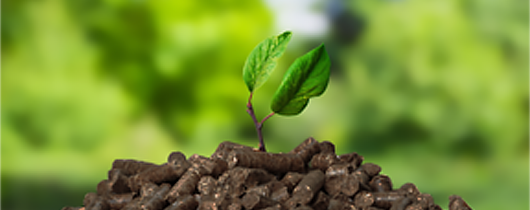
Pelletization addresses all of these limitations. By compressing manure into dense, uniform pellets, the volume is reduced by up to 60%, making storage and transport far more economical. The heat generated during processing kills weed seeds and harmful bacteria, creating a safe, easy-to-handle product. The resulting pellets are slow-release fertilizers that match crop uptake patterns, reducing nutrient runoff into waterways. For farmers who have traditionally paid to dispose of manure, this transformation represents a complete reversal of fortune.
Versatile Applications for Processed Manure
One of the most compelling aspects of manure pellets is their versatility. They can be used as a premium organic fertilizer for cash crops, vegetables, and orchards. Organic farmers, in particular, are willing to pay a premium for certified manure pellets that meet strict quality standards. The pellets can be applied with standard fertilizer spreaders, eliminating the need for specialized manure handling equipment.
Beyond fertilization, dried manure pellets serve as an excellent biomass fuel. In many developing regions, where firewood is scarce and expensive, manure pellets provide a sustainable cooking and heating alternative. The calorific value of dried cow dung is approximately 15-16 MJ/kg, comparable to low-grade coal. Industrial users, such as cement plants and power generators, are increasingly turning to agricultural biomass pellets to meet their renewable energy targets. This dual-market potential—fertilizer and fuel—diversifies revenue streams and reduces exposure to price fluctuations in any single sector.
The Technology Behind the Transformation
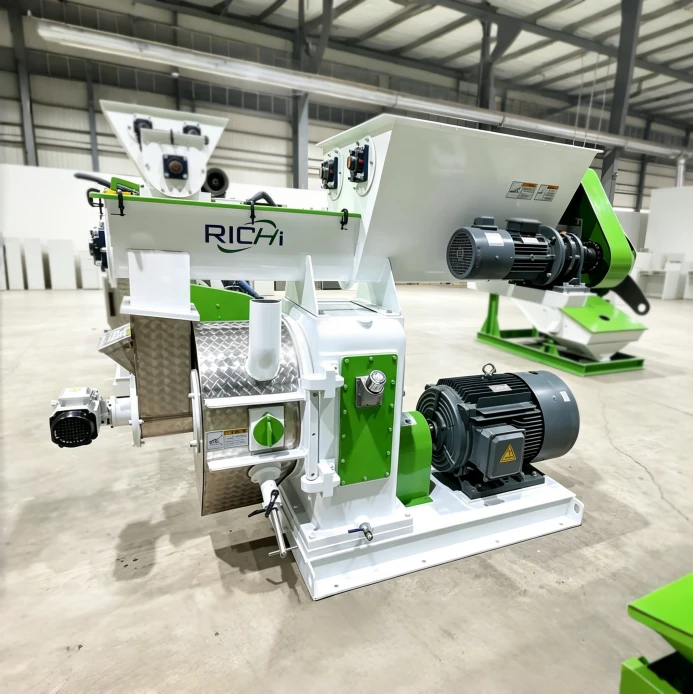
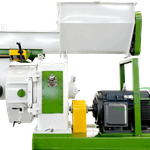
The conversion of raw manure into marketable pellets requires specialized equipment designed to handle the material’s unique characteristics. Manure is fibrous, variable in moisture content, and can be abrasive. A cow dung pellet machine is specifically engineered to address these challenges. These machines feature heavy-duty construction, corrosion-resistant components, and feed mechanisms that handle high-moisture materials without clogging. The die design is optimized for the fibrous nature of bovine waste, ensuring consistent pellet formation without excessive energy consumption.
For dairy and beef operations, the investment in a cow dung pellet machine pays dividends quickly. The machines are available in various capacities, from small-scale units suitable for family farms to industrial models that process multiple tons per hour. The key to successful operation lies in controlling the moisture content of the input material. Ideally, the manure should be dried to around 12-15% moisture before pelleting. This can be achieved through natural sun drying, which is cost-effective in sunny climates, or through mechanical dryers, which offer greater control and consistency.
Scaling Up for Commercial Success
While small-scale pelletization is a viable option for individual farms, the real economic potential lies in commercial production. Large-scale operations generate enormous quantities of manure daily, creating economies of scale that transform waste management from a cost center into a profit center. For poultry producers, who face particularly challenging manure disposal issues due to high nitrogen content and ammonia emissions, the solution is especially compelling.
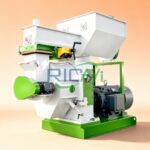
A 1-26 T/H poultry manure pellet machine represents the scale required for serious commercial production. These machines are designed to handle the high throughput demands of large layer or broiler operations, processing up to 26 tons of material per hour. The poultry manure market is particularly attractive because it is higher in nitrogen and phosphorus than other livestock manures, commanding premium prices in the organic fertilizer market. However, poultry litter is also more abrasive and contains feather residues, requiring robust construction and frequent maintenance of wear parts.
Modern poultry manure pellet machines incorporate advanced features such as variable speed feeders, conditioning chambers for moisture control, and quick-change die systems that minimize downtime during maintenance. The automation of these machines reduces labor requirements and ensures consistent product quality, even during extended production runs. For producers who have traditionally paid hundreds of thousands of dollars annually for manure removal, the shift to in-house processing is financially transformative.
The Complete Production Ecosystem
A single machine, no matter how capable, is just one component of a comprehensive system. Successful commercial operations integrate multiple stages into a seamless pellet production line. A complete line typically includes the following:
Pre-treatment equipment such as crushers and hammer mills that reduce large clumps of manure to a uniform particle size. This step is essential for consistent pellet quality and prevents blockages in the pellet chamber.
Dryers that reduce the moisture content of the manure to the optimal range for pelleting. Rotary drum dryers are commonly used for high-capacity operations, offering efficient heat transfer and uniform drying.
Conditioning and mixing systems that add binders or other additives to improve pellet quality and nutrient content. Binders such as bentonite clay or starch help the pellets maintain their structural integrity during handling and transport.
The pellet mill itself, where the conditioned material is compressed through the die to form the finished pellets.
Cooling and screening equipment that reduces the temperature and removes fines before packaging. The cooling stage is critical for hardening the pellets and preventing spoilage during storage.
Bagging or bulk loading systems that prepare the product for sale or transport.
Each stage of the pellet production line must be carefully matched to the others. A bottleneck anywhere in the line reduces overall throughput and increases operating costs. Professional system design, based on a thorough analysis of feedstocks and production goals, is essential for optimal performance.
Economic Realities and Return on Investment
The capital investment required for a pellet production system is substantial, but the return on investment is often surprisingly rapid. When calculating ROI, farmers should consider both the revenue from pellet sales and the avoided costs of manure disposal. In many regions, manure disposal costs range from $2 to $5 per ton. For a 10,000-cow dairy operation generating over 100,000 tons of manure annually, these savings alone can exceed $300,000 per year.
On the revenue side, organic manure pellets command prices ranging from $200 to $400 per ton, depending on nutrient content and market conditions. A moderate-sized operation processing 10 tons per hour could generate over $2 million in annual revenue at full capacity. After accounting for electricity, labor, and maintenance costs, net margins in the 20-30% range are achievable. Payback periods of 18 to 36 months are common in the industry.
Beyond direct financial returns, pelletization offers strategic advantages. It reduces the farm’s environmental compliance risk, potentially avoiding fines and regulatory sanctions. It also enhances the farm’s image as a sustainable operation, which can be leveraged in marketing products such as milk, meat, or eggs to increasingly environmentally conscious consumers.
Environmental Benefits and Sustainability
The environmental case for manure pelletization is as compelling as the economic one. Raw manure stored in open lagoons releases methane, a greenhouse gas with 28 times the warming potential of carbon dioxide. Nitrate leaching from field-applied manure contaminates groundwater and contributes to algal blooms in downstream waterways. Pelletization mitigates these issues through several mechanisms:
The stabilization of nutrients in pellet form reduces the solubility of nitrogen and phosphorus, minimizing runoff and leaching. The high temperature during pelleting eliminates pathogens, reducing the risk of disease transmission to livestock and humans. The densification of manure reduces the volume requiring transport, cutting fuel consumption and associated emissions. Finally, the use of manure pellets as a fuel substitute for fossil fuels displaces greenhouse gas emissions from conventional energy sources.
For livestock operations under regulatory pressure to reduce their environmental footprint, pelletization offers a proven, cost-effective solution. Many governments and development agencies offer grants, low-interest loans, or technical assistance for manure processing projects, recognizing their role in meeting environmental targets.
Practical Steps for Getting Started
For farmers considering the transition to manure pelletization, the first step is a thorough assessment of available feedstock. How much manure does your operation generate daily? What is its typical moisture content and composition? Is the manure collected on a bedded pack, in a lagoon, or via scrape collection? The answers to these questions will determine the type and scale of equipment required.
Next, evaluate potential markets for the finished pellets. Are there organic farmers in your region who would purchase fertilizer pellets? Is there a biomass power plant or industrial user seeking fuel pellets? Understanding the demand in your area will help you select the appropriate pellet quality specifications and packaging.
Finally, choose your equipment supplier carefully. Look for a manufacturer with experience in manure processing, as the material presents unique challenges not encountered in grain or wood pellet production. Ensure that the supplier offers comprehensive training, spare parts availability, and technical support. The success of your project depends not only on the quality of the equipment but also on the expertise of the partner behind it.
Conclusion
The transformation of livestock manure into valuable pellets represents one of the most promising opportunities in modern agriculture. It turns a costly liability into a profitable asset, reduces environmental impact, and enhances farm resilience in a volatile market. The technology is proven, the economics are favorable, and the demand for sustainable products is growing.
Whether you operate a small dairy or a large poultry complex, the potential for manure pelletization deserves serious consideration. The journey from waste to wealth is not without challenges, but the rewards are substantial for those who embrace the opportunity. For a deeper dive into equipment specifications, case studies, and financial modeling, click for more details on how producers around the world are capitalizing on this agricultural revolution. Your manure pile may be the key to your farm’s most profitable chapter yet.