Introduction: The Connection Between Feed Production and Fish Growth
Aquaculture has become an essential part of global food production, providing a stable supply of fish and other aquatic products to meet increasing consumer demand. As fish farming develops from small-scale operations into intensive commercial systems, improving fish growth performance has become a major focus for farmers and feed manufacturers.
Among all factors affecting fish growth, feed quality plays one of the most important roles. Fish require a balanced supply of protein, energy, vitamins, minerals, and other nutrients to support body development, metabolism, immunity, and reproduction. However, simply providing feed is not enough. The nutritional value, digestibility, physical characteristics, and feeding efficiency of feed directly influence how effectively fish can utilize nutrients.
Modern aquatic feed production provides a scientific approach to creating high-quality feed products that meet the specific needs of different fish species. Through advanced formulation, precise processing, and professional equipment, manufacturers can produce feed pellets with improved nutritional performance and feeding efficiency.
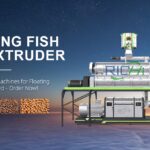
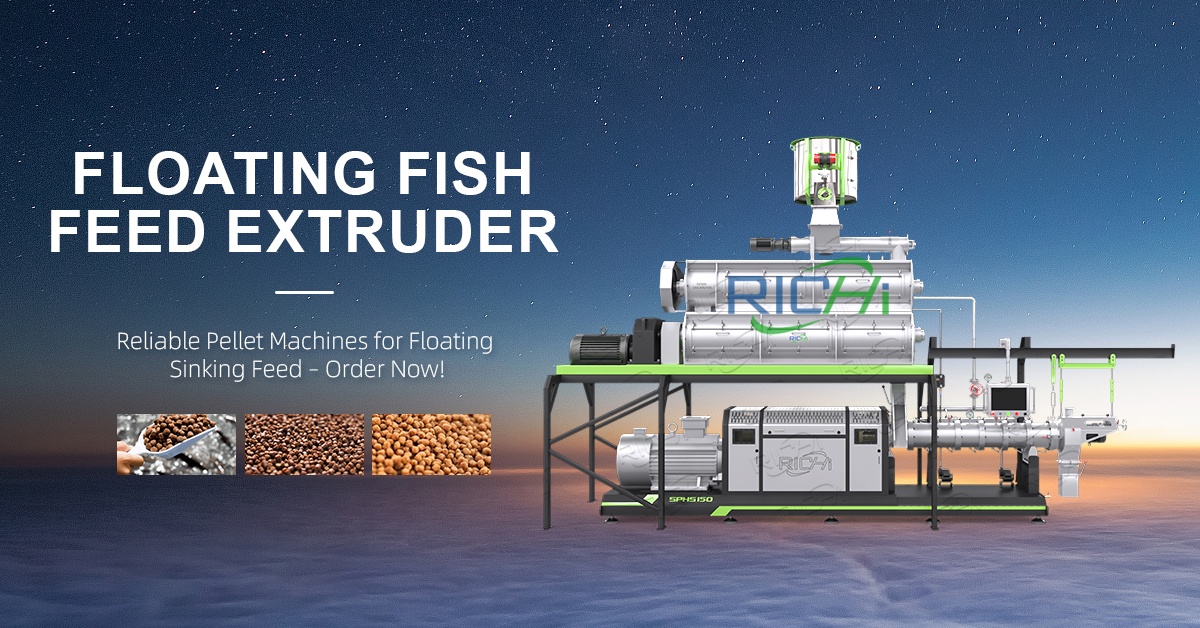
Among modern processing technologies, the dry floating fish feed extruder has become an important solution for producing floating feed pellets with stable structure, excellent buoyancy, and improved digestibility. This equipment helps transform carefully selected ingredients into feed products that support faster growth, better feed conversion, and healthier fish farming systems.
Understanding how aquatic feed production supports fish growth helps farmers and investors improve production efficiency and achieve better economic returns.
Balanced Nutrition Provides Essential Support for Fish Growth
Fish growth depends heavily on the availability of essential nutrients. In natural environments, fish obtain nutrients from various organisms, but intensive aquaculture systems require professionally formulated feed to provide complete nutrition.
Aquatic feed production allows manufacturers to combine different ingredients according to the nutritional requirements of specific fish species.
The main nutrients required for fish growth include:
Protein
Protein is the most important nutrient for muscle development and tissue formation. Fish require sufficient protein to support rapid growth, especially during early development stages.
Common protein sources include:
- Fish meal
- Soybean meal
- Corn gluten meal
- Vegetable protein ingredients
High-quality protein improves growth rate and helps fish achieve market size faster.
Energy
Energy ingredients provide fuel for metabolism and daily activities. Proper energy balance allows fish to use protein primarily for growth instead of converting it into energy.
Common energy sources include:
- Corn
- Wheat
- Rice bran
- Wheat flour
Lipids
Fats provide concentrated energy and essential fatty acids required for healthy development.
Common lipid sources include:
- Fish oil
- Vegetable oils
Vitamins and Minerals
Micronutrients support:
- Immune function
- Bone development
- Reproduction
- Disease resistance
Through scientific feed formulation, aquatic feed manufacturers can create balanced diets that promote efficient fish growth.
Improving Feed Digestibility Enhances Nutrient Utilization
Providing nutrients in feed does not guarantee good growth. Fish must be able to digest and absorb those nutrients effectively.
Poorly processed feed may result in:
- Low nutrient absorption
- Slow growth
- Increased feed consumption
- Higher production costs
Modern aquatic feed production improves digestibility through several processing technologies, especially extrusion.
During extrusion, feed materials are exposed to controlled heat, pressure, and mechanical forces. These conditions change the structure of raw materials and make nutrients easier for fish to utilize.
The extrusion process helps:
- Improve starch gelatinization
- Increase energy availability
- Enhance protein utilization
- Reduce harmful microorganisms
The dry floating fish feed extruder uses mechanical energy to process feed materials and create expanded pellets without requiring steam conditioning. This technology improves pellet structure while maintaining nutritional quality.
Better digestibility means fish obtain more nutrients from each pellet, resulting in:
- Faster growth
- Lower feed consumption
- Improved feed conversion ratio
https://richipelletizer.com/floating-fish-feed-extruder-machine
Floating Feed Improves Feeding Efficiency
One of the biggest advantages of modern aquatic feed production is the ability to manufacture floating feed pellets.
Floating feed provides several benefits compared with traditional sinking feed because farmers can observe feeding activity more easily.
When pellets remain on the water surface, farmers can monitor:
- Fish appetite
- Feeding speed
- Remaining feed quantity
- Appropriate feeding amounts
This helps prevent overfeeding and reduces unnecessary feed waste.
The dry floating fish feed extruder plays an important role in producing floating pellets by creating an expanded internal structure that allows feed to maintain buoyancy.
High-quality floating feed can:
- Stay afloat for longer periods
- Maintain pellet shape
- Reduce nutrient leakage
- Improve feeding management
Better feeding efficiency means fish receive adequate nutrition while farmers spend less on wasted feed.
Supporting Different Growth Stages of Fish
Fish have different nutritional requirements throughout their life cycle. A feed formula suitable for adult fish may not meet the needs of young fish.
Aquatic feed production allows manufacturers to develop specialized feed products for different growth stages.
Fry and Juvenile Fish Feed
Young fish require:
- Smaller pellet sizes
- Higher nutrient density
- Easy digestibility
Small pellets help juvenile fish consume feed efficiently and support rapid early growth.
Growing Fish Feed
As fish increase in size, their nutritional requirements change. Feed formulas can be adjusted to provide balanced protein and energy levels.
Adult Fish Feed
Adult fish require feed that supports continued growth while maintaining good health and reproduction performance.
Advanced production equipment allows manufacturers to adjust pellet size and characteristics according to different feeding requirements.
Improving Feed Conversion Ratio for Better Growth Results
Feed conversion ratio (FCR) is a key measurement of aquaculture efficiency. It indicates how much feed is required to produce a certain amount of fish biomass.
A lower FCR means better feed efficiency.
High-quality aquatic feed improves FCR through:
- Better nutrient balance
- Improved digestibility
- Reduced feed waste
- Enhanced pellet stability
When fish can absorb more nutrients from each pellet, they grow faster with less feed.
For commercial farms, improving FCR can create significant economic benefits because feed represents a major operating expense.
Modern aquatic feed production provides the technology needed to produce feed that maximizes nutrient utilization and supports efficient fish growth.
Reducing Stress and Supporting Fish Health
Healthy fish grow faster and are more resistant to environmental challenges. Nutrition plays an important role in maintaining fish health.
High-quality aquatic feed supports:
- Strong immune systems
- Better disease resistance
- Improved stress tolerance
- Higher survival rates
Functional ingredients such as probiotics, enzymes, and immune-supporting additives can be incorporated into feed formulas to improve fish health.
Advanced feed production technology ensures that these ingredients are evenly distributed throughout the pellets, allowing fish to receive consistent nutrition.
Healthy fish require fewer treatments and have better growth performance, improving overall farming profitability.
Improving Water Quality Through Efficient Feed Production
Water quality has a direct impact on fish growth. Poor water conditions can cause stress, disease outbreaks, and reduced growth rates.
Excess feed is one of the major causes of water pollution in aquaculture systems. Uneaten pellets release nutrients into water, increasing organic waste and reducing oxygen levels.
Modern aquatic feed production helps reduce this problem by creating pellets with:
- Better water stability
- Improved digestibility
- Reduced nutrient loss
Floating feed allows farmers to control feeding more accurately and remove unused feed when necessary.
By reducing waste, high-quality feed helps maintain a cleaner farming environment where fish can grow more efficiently.
The Role of the Dry Floating Fish Feed Extruder in Feed Quality
Extrusion equipment is a key component in modern aquatic feed manufacturing. The performance of extrusion machinery directly affects the physical quality of feed pellets.
A dry floating fish feed extruder provides several advantages for feed producers:
Efficient Floating Pellet Production
The machine creates expanded pellets with controlled density, allowing them to float on water.
Flexible Pellet Sizes
By changing dies and adjusting operating conditions, manufacturers can produce different pellet sizes for various fish species.
Improved Pellet Durability
The extrusion process strengthens pellet structure and reduces breakage.
Better Production Efficiency
Dry extrusion technology simplifies the production process and is suitable for many small and medium-sized feed factories.
By using reliable extrusion equipment, manufacturers can produce consistent feed products that support better fish growth performance.
(Learn more about dry type fish feed extruder for sale)
Automation Improves the Consistency of Aquatic Feed
Modern aquatic feed factories increasingly use automated production systems to improve efficiency and product quality.
A complete production line may include:
- Raw material cleaning systems
- Grinding equipment
- Automatic batching systems
- Mixers
- Extruders
- Dryers
- Cooling systems
- Packaging machines
Automation ensures:
- Accurate ingredient control
- Stable production parameters
- Consistent pellet quality
- Reduced production errors
Consistent feed quality allows fish to receive stable nutrition throughout the farming cycle, supporting predictable growth results.
Customized Feed Solutions Improve Farming Performance
Different fish species have unique feeding behaviors and nutritional requirements. Customized feed production allows manufacturers to create products that match specific farming conditions.
Factors considered during customization include:
- Fish species
- Water environment
- Growth stage
- Feeding habits
- Farm objectives
For example:
- Surface-feeding fish benefit from floating pellets.
- Bottom-feeding species may require sinking feed.
- Fast-growing species may require higher-protein formulas.
Customized feed solutions improve nutrient utilization and help farmers achieve better growth performance.
Future Trends in Aquatic Feed Production
As aquaculture continues to develop, feed production technology will continue improving.
Future trends include:
- More intelligent production systems
- Sustainable feed ingredients
- Improved nutritional formulas
- Energy-efficient equipment
- Precision feeding solutions
Advanced manufacturing technologies will allow producers to create more efficient feed products while reducing environmental impact.
The continued development of extrusion technology will further improve pellet quality, digestibility, and production efficiency.
Conclusion: High-Quality Aquatic Feed Is Essential for Fish Growth
Aquatic feed production plays a fundamental role in supporting fish growth by providing balanced nutrition, improving digestibility, reducing waste, and enhancing feeding efficiency.
Through scientific formulation and advanced processing technology, manufacturers can produce feed pellets that meet the specific needs of different fish species and growth stages.
The use of a dry floating fish feed extruder provides an effective solution for producing high-quality floating feed with excellent stability, improved nutrient utilization, and reliable performance.
As the aquaculture industry continues to expand, investing in modern feed production technology will become increasingly important. By improving feed quality and efficiency, farmers and feed manufacturers can achieve healthier fish growth, lower production costs, and more sustainable aquaculture development. (Richi Pellet Maker)