



Introduction
Agricultural waste pellet production has become one of the fastest-growing sectors in the renewable energy industry. With rising global energy demand, increasing environmental regulations, and the urgent need to reduce carbon emissions, biomass pellets made from agricultural residues are gaining strong market traction.
Farmers, investors, and energy companies are all asking the same question: Is agricultural waste pellet production profitable?
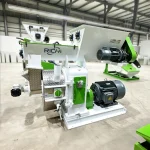
The short answer is yes—but profitability depends on several key factors, including raw material cost, production efficiency, market demand, and equipment performance. Central to this system is machinery such as the straw pellet making machine, which determines both output quality and production cost efficiency.
This article provides a detailed analysis of profitability in agricultural waste pellet production, including costs, revenue streams, risks, and long-term market outlook.
1. Understanding Agricultural Waste Pellet Production
Agricultural waste pellet production involves converting crop residues into compact, high-energy fuel pellets.
Common raw materials include:
- Wheat straw
- Rice straw
- Corn stalks
- Rice husks
- Sugarcane bagasse
- Peanut shells
- Cotton stalks
The process typically includes:
- Collection of agricultural residues
- Crushing and size reduction
- Drying to optimal moisture
- Pelletizing using a straw pellet making machine
- Cooling and screening
- Packaging and distribution
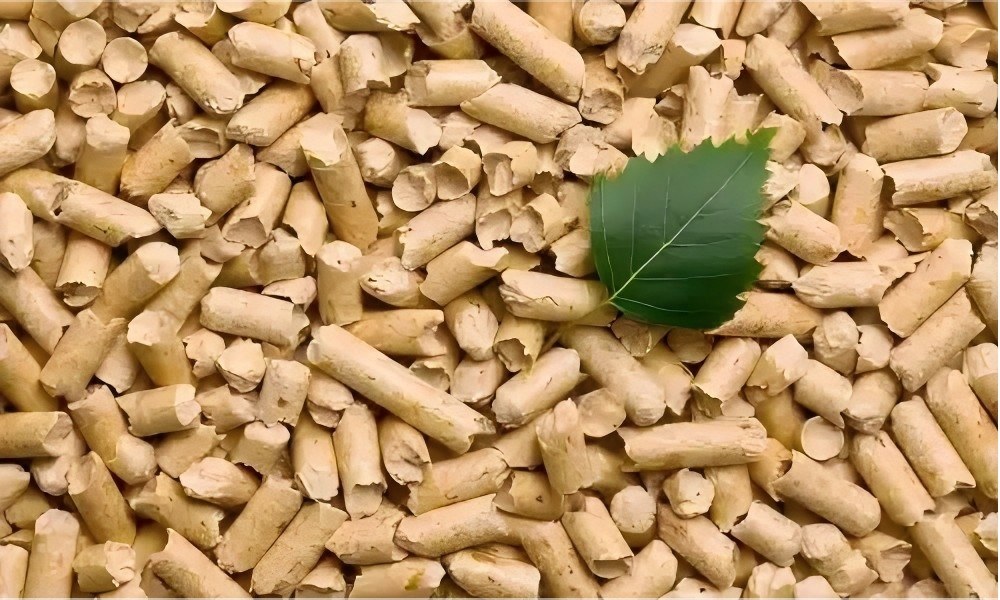
The final product is a biomass fuel pellet used for heating, power generation, and industrial boilers.
2. Why Agricultural Waste Has Strong Profit Potential
Agricultural waste is one of the most abundant and cheapest biomass resources globally.
Key advantages:
- Very low or zero raw material cost in many regions
- Constant supply from agricultural production
- Renewable and sustainable
- High demand in energy markets
In many cases, farmers are willing to sell or even give away residues to avoid disposal costs. This creates a strong raw material advantage for pellet producers.
3. Revenue Sources in Pellet Production
Profitability comes from multiple revenue streams:
3.1 Biomass fuel sales
The primary income source is selling pellets to:
- Power plants
- Industrial boiler users
- Heating systems
- Export markets
3.2 Industrial contracts
Long-term supply contracts with energy companies provide stable income.
3.3 Export markets
Countries with high energy demand but low biomass resources import pellets at premium prices.
3.4 By-product utilization
Fine powder and residues can sometimes be reused or sold as secondary fuel materials.
4. Cost Structure of Pellet Production
To understand profitability, it is essential to analyze costs.
4.1 Raw material cost
In agricultural regions, raw material is often low-cost or free, but transportation may add expense.
4.2 Labor cost
Includes workers for:
- Collection
- Machine operation
- Maintenance
4.3 Energy consumption
Electricity is required for:
- Crushers
- Dryers
- Pellet mills
- Cooling systems
4.4 Equipment investment
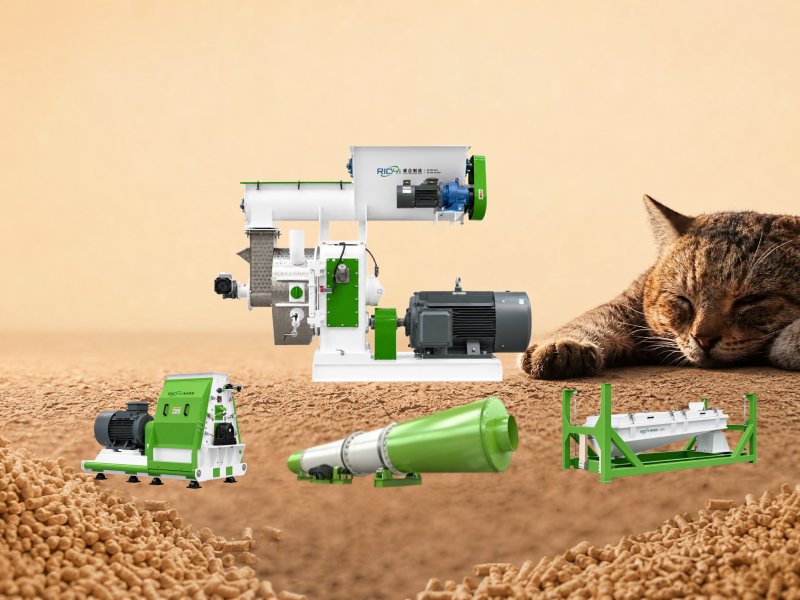
The largest initial cost is machinery, including the straw pellet making machine, dryers, and auxiliary systems.
https://pelletisingmachine.com/straw-pellet-mill
4.5 Maintenance and wear parts
Dies, rollers, and bearings require regular replacement.
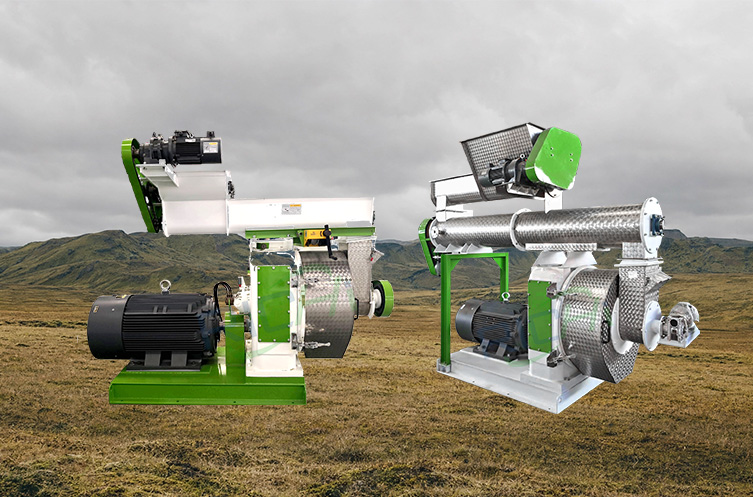
5. Role of Straw Pellet Making Machine in Profitability
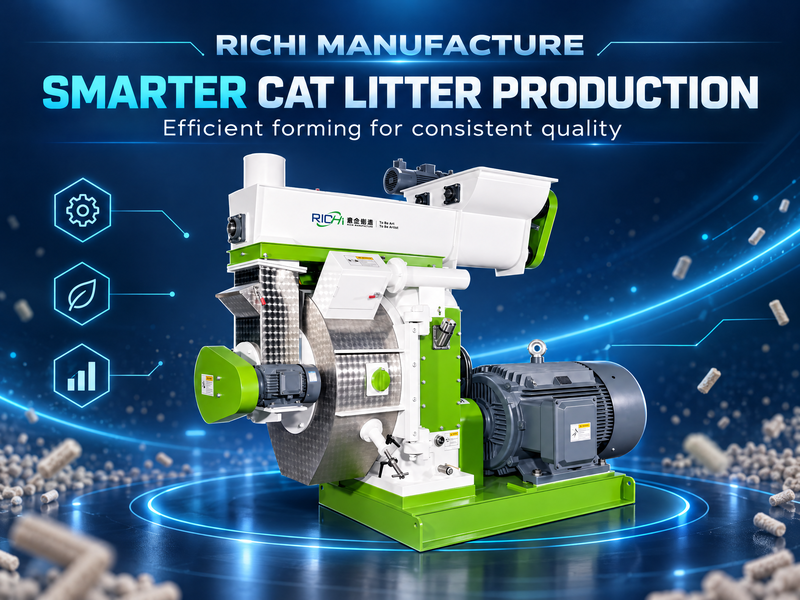
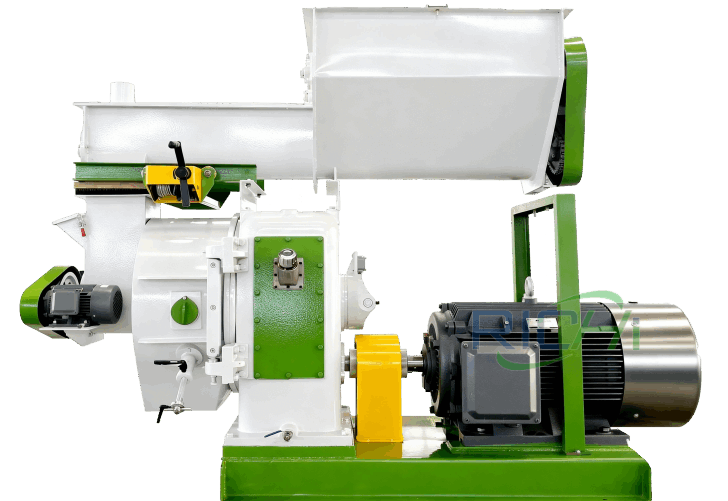
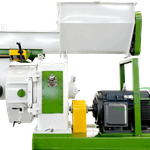
The straw pellet making machine is the core component of the production line and directly affects profitability.
How it influences profit:
5.1 Production efficiency
Higher output reduces unit production cost.
5.2 Energy consumption
Efficient machines reduce electricity costs per ton of pellets.
5.3 Pellet quality
Better quality pellets command higher market prices.
5.4 Maintenance cost
Durable machines reduce downtime and repair expenses.
A well-optimized straw pellet making machine can significantly increase profit margins by improving both output and quality.
(Related machine: efficient corn stalk pellet machine)
6. Market Price of Biomass Pellets
Pellet prices vary depending on region, quality, and demand.
General price drivers:
- Energy content
- Moisture level
- Ash content
- Certification (industrial-grade or premium-grade)
High-quality pellets used in export markets or industrial boilers often sell at significantly higher prices than low-grade pellets.
7. Profit Margin Analysis
Profitability depends on balancing production cost and selling price.
Example simplified structure:
- Raw material: low cost
- Production cost: medium
- Selling price: higher in energy markets
Key profit factors:
- Efficient production line
- Low raw material cost
- Stable energy supply
- High-quality output
With optimized operations, pellet production can achieve attractive profit margins, especially in regions with abundant agricultural waste.
8. Factors That Increase Profitability
8.1 Low-cost raw materials
Access to free or cheap straw significantly increases profit margins.
8.2 Efficient equipment
A high-performance straw pellet making machine reduces energy consumption and improves output.
8.3 Scale of production
Large-scale production reduces per-unit cost.
8.4 Stable market contracts
Long-term agreements ensure consistent revenue.
8.5 Government incentives
Subsidies for renewable energy projects improve financial returns.
9. Risks and Challenges
Although profitable, pellet production has challenges.
9.1 Raw material logistics
Collecting and transporting agricultural waste can be costly.
9.2 Seasonal supply
Crop residues are not always available year-round.
9.3 Equipment wear and tear
Biomass materials can be abrasive, increasing maintenance costs.
9.4 Market price fluctuations
Energy prices can affect pellet demand and profitability.
9.5 Moisture control issues
Improper drying increases production costs and reduces pellet quality.
10. How to Maximize Profitability
To improve returns, producers should focus on optimization:
10.1 Invest in efficient machinery
Using a high-quality straw pellet making machine improves production efficiency and reduces downtime.
10.2 Optimize raw material sourcing
Establish partnerships with farms to secure stable biomass supply.
10.3 Improve production line design
Integrate crushing, drying, pelletizing, and cooling systems efficiently.
10.4 Control energy consumption
Use energy-saving motors and automation systems.
10.5 Focus on product quality
High-quality pellets can access premium markets.
11. Industrial Applications Driving Profit Growth
Demand for biomass pellets is increasing in multiple sectors:
11.1 Power generation
Coal replacement and co-firing applications.
11.2 Industrial heating
Factories using biomass boilers.
11.3 Residential heating
Pellet stoves in colder regions.
11.4 Export markets
Europe and other regions import large volumes of biomass pellets.
Growing demand ensures stable long-term profitability. (click this site)
12. Future Outlook of Pellet Industry Profitability
The future of agricultural waste pellet production is highly promising.
Key trends include:
- Rising carbon neutrality policies
- Expansion of renewable energy markets
- Technological automation improvements
- Increasing global pellet trade
- Stronger environmental regulations
As these trends continue, profitability is expected to remain strong, especially for well-managed operations using efficient systems like the straw pellet making machine.
Conclusion
So, is agricultural waste pellet production profitable? The answer is yes—when properly managed. Profitability depends on several key factors, including raw material availability, production efficiency, market demand, and operational optimization.
At the center of this business model is the straw pellet making machine, which directly influences production efficiency, pellet quality, and overall cost structure.
With growing global demand for renewable energy and increasing support for sustainable practices, agricultural waste pellet production is expected to remain a profitable and expanding industry for years to come.