





1. Global Shift Toward Industrial Biomass Production
In recent years, the global energy industry has undergone a significant transformation. With increasing pressure to reduce carbon emissions and dependence on fossil fuels, biomass energy has become one of the fastest-growing renewable energy sectors.
Among various biomass materials, bamboo and sugarcane bagasse stand out due to their abundance, renewability, and high energy conversion efficiency. Countries with strong agricultural industries are now actively building integrated biomass pellet production lines to convert waste materials into profitable energy products.
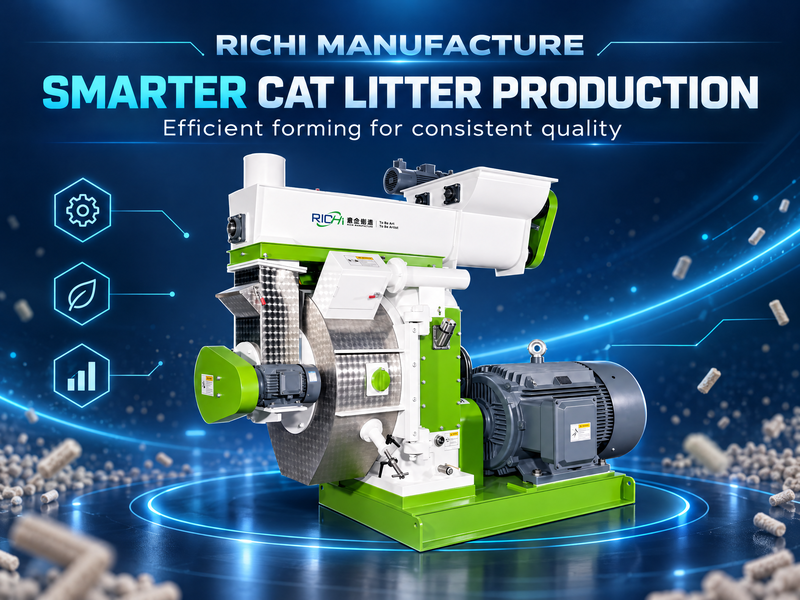
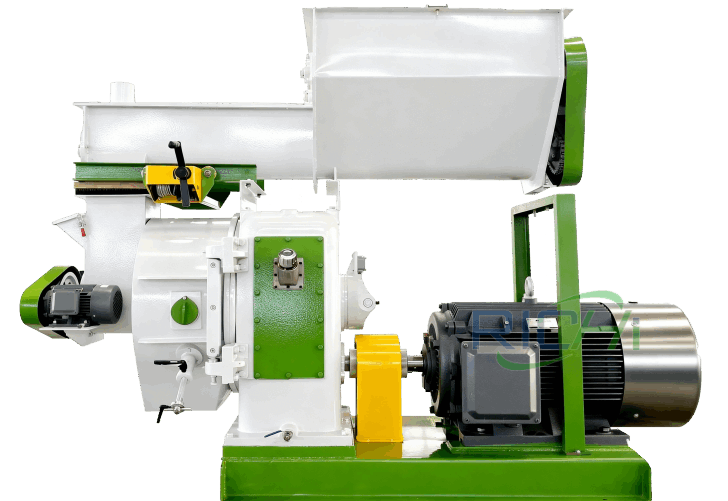
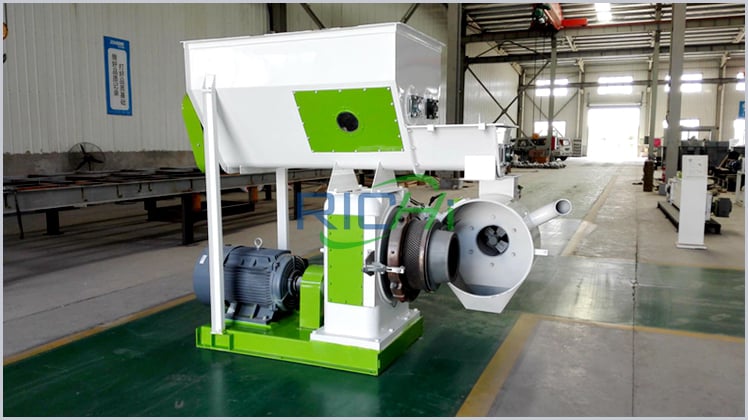
At the core of this transformation is the Bamboo Pellet Making Machine, a key industrial device designed to convert raw bamboo fibers into high-density fuel pellets suitable for commercial energy applications.
2. What Is a Bamboo Pellet Making Machine?
A Bamboo Pellet Making Machine is a specialized biomass processing system that compresses crushed bamboo powder into solid cylindrical pellets. These pellets are widely used as fuel in industrial boilers, heating systems, and even power plants.
The machine works through mechanical compression using rollers and a die. When bamboo material is fed into the system, it is subjected to high pressure and frictional heat. This process activates natural lignin in the bamboo, which binds the particles together without any chemical additives.
Key features include:
- Continuous production capability
- High compression efficiency
- Stable pellet quality
- Low energy consumption per ton
Modern machines are often equipped with automatic lubrication systems and intelligent control panels to ensure long-term stable operation.
3. Integration With Bagasse Pellet Production Systems
In industrial biomass plants, bamboo is rarely processed alone. It is often combined with agricultural residues such as sugarcane bagasse to optimize raw material supply and production efficiency.
A commonly used configuration is the 2-3 t/h bagasse pellet production line, which can be integrated with bamboo processing systems to create a multi-material production facility.
This integration provides several advantages:
- Flexible raw material usage depending on seasonal availability
- Reduced production downtime
- Increased overall output capacity
- Lower raw material procurement costs
By combining bamboo and bagasse, manufacturers can maintain continuous production throughout the year, even when one raw material is temporarily unavailable.
4. Structure of a Complete Pellet Production Plant
A modern biomass pellet plant is not just a single machine but a fully integrated production system.
4.1 Raw Material Preparation Section
This includes shredders and crushers that break bamboo and bagasse into smaller particles for further processing.
4.2 Drying Section
Moisture content is reduced to ensure optimal pellet formation. Excess moisture can reduce pellet density and cause cracks during compression.
4.3 Pelletizing Section
This is where the Bamboo Pellet Making Machine plays its most important role. It compresses raw material into dense pellets under high pressure.
4.4 Cooling Section
Fresh pellets are cooled to stabilize structure and improve hardness.
4.5 Packaging Section
Finished pellets are packed for storage, transportation, or export.
5. Role of Pellet Plant Automation
Modern biomass industries are moving toward full automation. A well-designed pellet plant integrates all production stages into a continuous automated workflow.
Automation improves:
- Production efficiency
- Labor cost reduction
- Consistency of pellet quality
- Real-time system monitoring
Advanced pellet plants are often controlled by PLC systems that monitor temperature, pressure, and output volume.
6. Industrial Applications of Bamboo Pellets
Bamboo pellets produced by industrial systems are used in a wide range of sectors:
6.1 Industrial Boilers
Factories use bamboo pellets as a clean alternative to coal for steam and heat generation.
6.2 Cement Industry
Cement plants use biomass pellets to reduce fossil fuel consumption.
6.3 Power Plants
Some renewable energy power stations are fully based on biomass fuel such as bamboo pellets.
6.4 Export Market
Europe and Japan are major importers of high-quality biomass pellets.
7. Learning Resources and Engineering References
Before investing in a pellet production system, many buyers prefer to study technical documentation and project references.
A detailed blog here often provides insights into:
- Plant layout design
- Equipment selection
- Production efficiency optimization
- ROI calculations
These resources are essential for investors who want to minimize risk and maximize production performance.
8. Performance Advantages of Bamboo Pellet Systems
Industrial bamboo pellet systems offer several key advantages compared to traditional fuel sources:
8.1 High Energy Density
Bamboo pellets have high calorific value, making them efficient for combustion.
8.2 Low Emissions
They produce significantly lower carbon emissions compared to coal.
8.3 Stable Supply Chain
Bamboo grows quickly, ensuring consistent raw material availability.
8.4 Cost Efficiency
Long-term operational costs are lower than fossil fuel systems.
9. Importance of Pellet Machine Engineering
The performance of a biomass plant heavily depends on the quality of its pellet machine system.
The pellet mill used in industrial systems must maintain:
- High pressure stability
- Wear resistance
- Continuous operation capability
Engineers often optimize die design, roller structure, and compression ratio to adapt to different raw materials like bamboo and bagasse.
A well-designed pellet mill ensures:
- Uniform pellet size
- High hardness
- Low dust generation
10. Equipment Flexibility and Market Adaptation
One of the key trends in biomass production is equipment flexibility. Modern systems are designed to handle multiple raw materials.
For example, a small bagasse pellet machine can be integrated into a bamboo system to allow small-scale operators to diversify production without investing in a full industrial line.
This flexibility helps businesses:
- Enter new markets faster
- Reduce raw material dependency
- Improve profit margins
11. Investment Considerations
When investing in a bamboo pellet production line, several factors must be considered:
- Raw material availability
- Production capacity requirements
- Energy consumption levels
- Automation degree
- Maintenance costs
A carefully designed system ensures long-term profitability and stable operation.
12. Engineering Knowledge and Technical Guidance
Many manufacturers provide technical support and engineering documentation to help investors understand system performance.
By reviewing a explanation of machine structure and operational principles, investors can better evaluate system compatibility with their raw materials and production goals.
13. Global Market Outlook
The global biomass pellet market is expected to grow significantly in the next decade due to:
- Carbon neutrality policies
- Renewable energy subsidies
- Industrial energy transition
- Rising fossil fuel costs
Bamboo-based pellet systems are expected to play a key role in this growth due to their sustainability and efficiency.
14. Conclusion
The Bamboo Pellet Making Machine is a core technology driving the global biomass energy revolution. When integrated with systems such as a 2-3 t/h bagasse pellet production line, industrial pellet plant, and advanced pellet mill equipment, it becomes a highly efficient and scalable energy solution.
With increasing demand for clean energy worldwide, bamboo pellet systems represent not only an industrial opportunity but also a long-term sustainable investment direction.
Related Post: https://pelletizerequipment.com/biomass-pellet-machine/