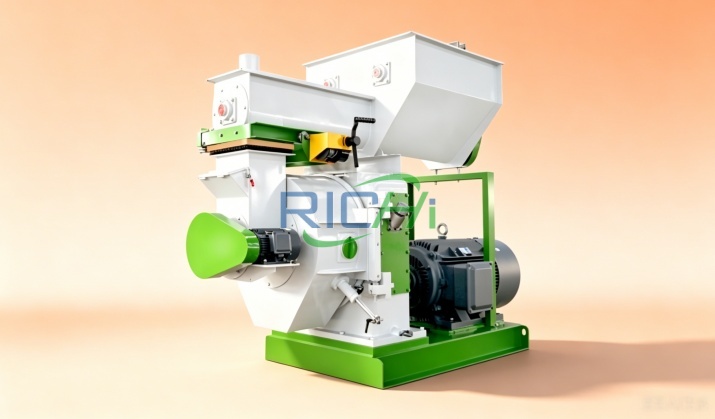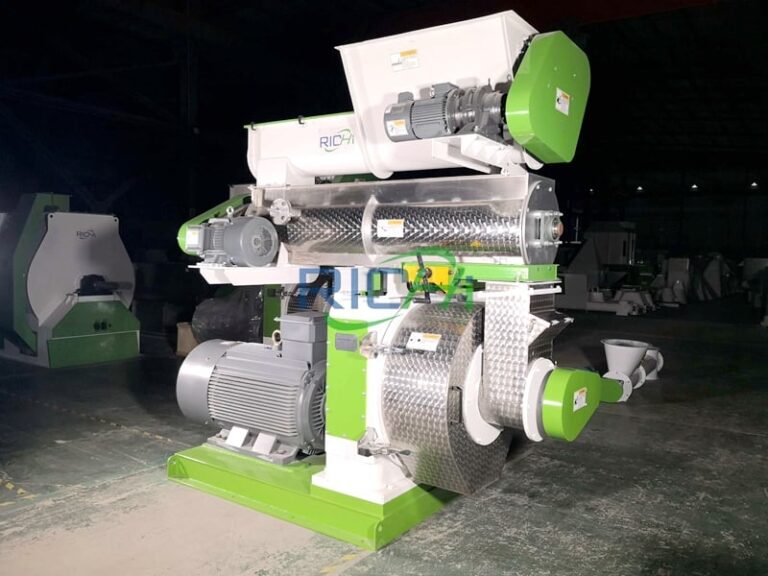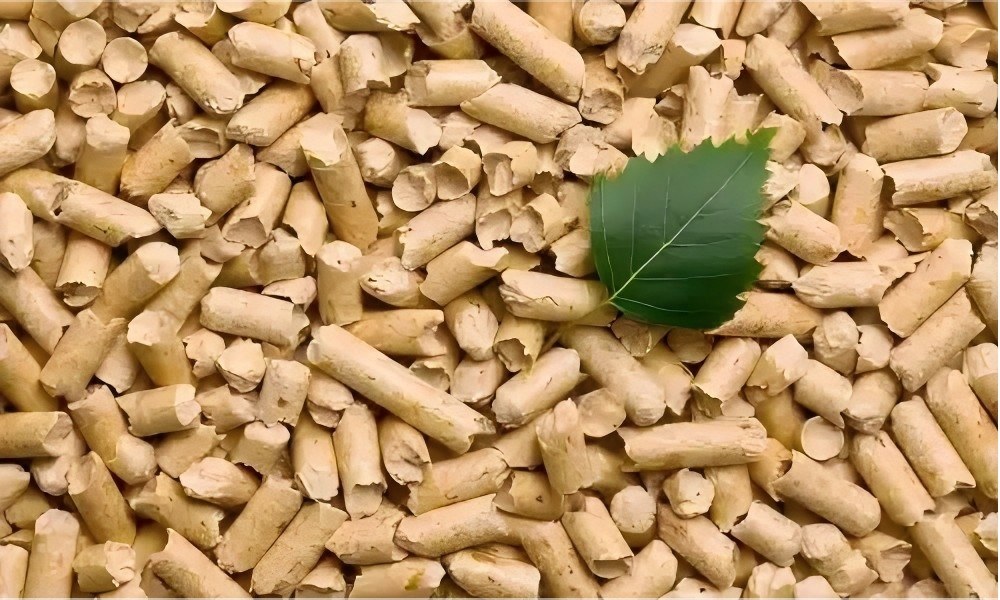


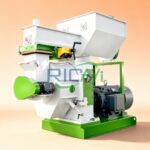




Rice husk pellet production can turn an agricultural by-product into a more compact and manageable biomass fuel. However, the total investment is not determined by the pellet mill alone.
Raw material condition, production capacity, drying requirements, equipment configuration, automation, storage, and packaging can all influence the final project cost.
Understanding these factors before purchasing equipment can help buyers develop a more realistic budget.
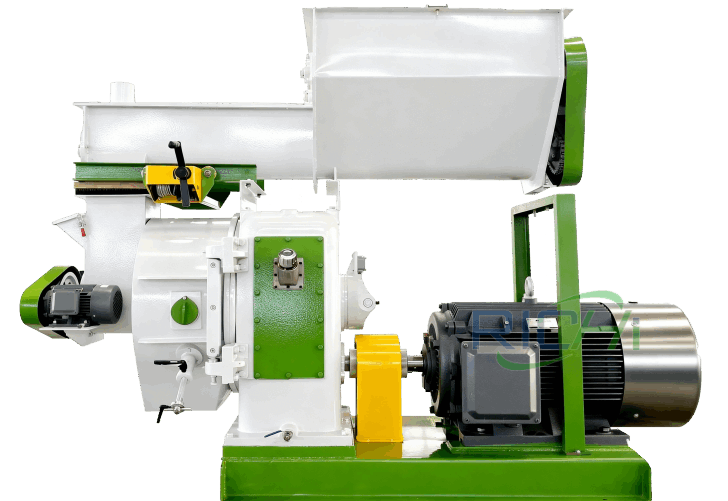
Raw Material Condition
Rice husk is produced during rice milling, and its condition can vary between processing facilities.
Some rice mills can provide relatively clean and dry husk directly from the milling process. Other projects may need additional cleaning, conveying, or moisture control before pelletizing.
This difference can significantly affect the equipment configuration.
Therefore, the rice husk pellet machine price should be considered together with the preparation equipment required for the specific raw material.
Production Capacity
Capacity is one of the most obvious factors affecting equipment investment.
A small rice mill may only need a few hundred kilograms of pellets per hour, while a large commercial biomass producer may require several tons per hour.
Higher production capacity generally requires larger motors, stronger material handling equipment, and greater supporting capacity.
Instead of choosing equipment based only on maximum output, buyers should calculate the actual amount of rice husk available each day and the expected operating hours.
Drying Requirements
Moisture content can also have a major effect on project cost.
If the rice husk already has suitable moisture for pelletizing, additional drying may not be necessary. When moisture is too high, however, a dryer may need to be installed before the pelletizing section.
A rotary dryer can continuously reduce moisture and prepare the material for stable pellet formation.
The required dryer size depends on the initial moisture, target moisture, throughput, and available heat source.
Testing the raw material before equipment selection can help determine whether drying is required and how large the system needs to be.
Comparing Biomass Pellet Equipment
Different agricultural residues can require different equipment configurations.
For example, a 5T/H peanut shell pellet machine can be used for processing peanut shells into biomass fuel pellets. Although the basic compression principle is similar, the preparation requirements can vary because peanut shells and rice husk have different physical characteristics.
This is why equipment should be selected according to the actual feedstock rather than assuming that one configuration will work identically for every biomass material.
Main Equipment Configuration
A typical rice husk pellet project may include:
- Raw material feeding system
- Cleaning equipment when necessary
- Crusher or grinder
- Dryer when required
- Pellet mill
- Cooler
- Screening machine
- Conveyors
- Storage system
- Packing equipment
Not every project requires all of these components.
For example, a rice mill with clean and suitably dry husk may need fewer preparation machines than a facility receiving mixed or wet biomass from outside suppliers.
Automation Level
Automation is another factor that affects the initial investment.
A basic production system can use manual feeding and operator supervision. This approach may be practical for smaller operations with lower production requirements.
A larger facility may use automatic feeding, conveyors, centralized electrical control, automatic weighing, and automatic packing.
Higher automation generally increases the initial investment but can reduce repetitive manual handling and support more continuous production.
The appropriate level depends on production capacity, labor availability, operating hours, and packaging requirements.
Cooling and Screening
The downstream equipment should also be included when calculating the total investment.
Fresh pellets leave the pellet mill with heat generated during compression. A cooler can reduce the pellet temperature before storage.
A screening machine then separates fines and undersized pellets from the finished product.
For a commercial project, these machines help maintain a continuous production flow and improve finished-product consistency.
When comparing a pellet mill for sale, buyers should therefore check whether the quotation covers only the main machine or also includes the necessary supporting equipment.
Storage and Packing
Finished pellet handling can also influence the overall budget.
Bulk storage may require silos, bins, conveyors, and dust-control equipment. If pellets are sold in bags, the project may additionally require weighing and packing equipment.
Storage capacity should be determined according to daily production and delivery schedules.
Planning these facilities from the beginning can prevent material-handling problems after the pellet plant is installed.
How to Compare Supplier Quotations
Two suppliers may quote very different prices while offering equipment for the same nominal capacity.
Before making a comparison, buyers should check:
- Production capacity
- Main motor power
- Included preparation equipment
- Dryer configuration
- Cooling system
- Screening system
- Conveyors
- Electrical control
- Installation and commissioning
- Spare parts
- Packing equipment
Comparing the complete configuration is more useful than comparing the price of one machine.
Final Considerations
The investment required for rice husk pellet production depends on the complete processing system rather than one piece of equipment.
Raw material moisture and condition are especially important because they determine how much preparation is required before pelletizing. Capacity, automation, cooling, storage, and packing also contribute to the final cost.
For this reason, buyers should provide information about rice husk availability, moisture content, target output, pellet diameter, and intended application when requesting a quotation.
A properly matched system can avoid unnecessary equipment while still providing enough capacity for stable production. For additional information about biomass pellet equipment and project planning, read here.
Related Post: https://pelletizerequipment.com/sunflower-shell-pellet-machine/