



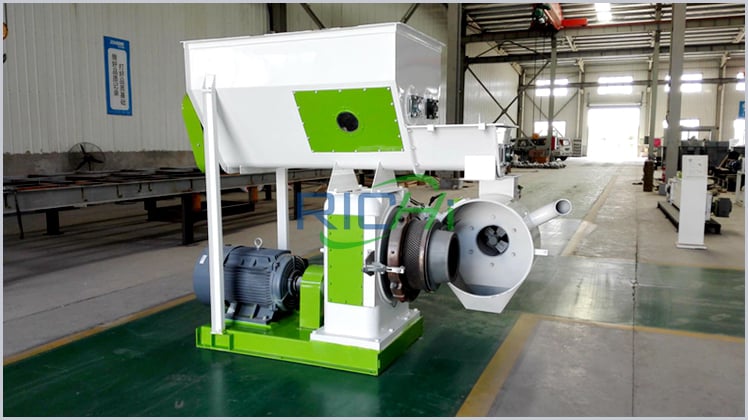
For businesses entering the pellet production industry — or those looking to upgrade existing infrastructure — the terminology surrounding machinery can be confusing. Terms like wood pellet mill machine and wood pellet press are often used interchangeably, yet they can refer to distinct equipment configurations with different performance profiles. This article clarifies these distinctions and provides a practical framework for selecting the right machinery for your specific production goals.
Defining the Wood Pellet Mill Machine
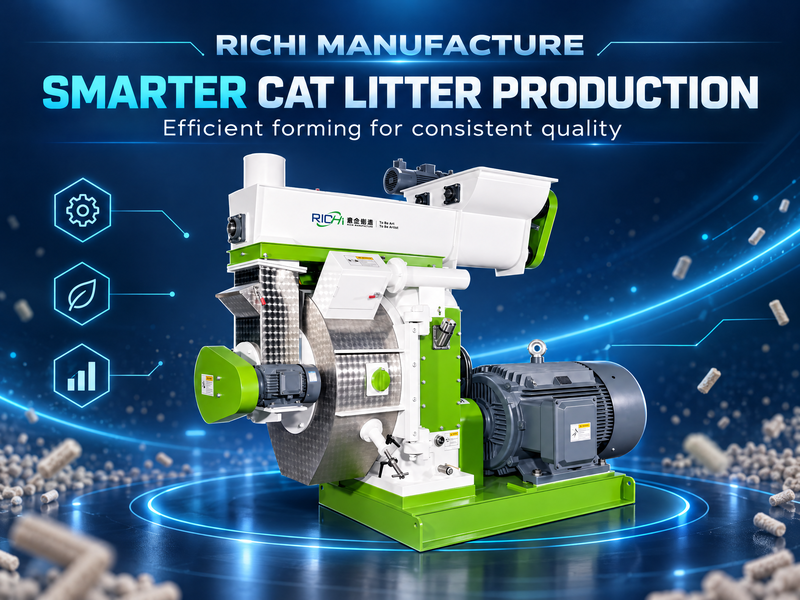
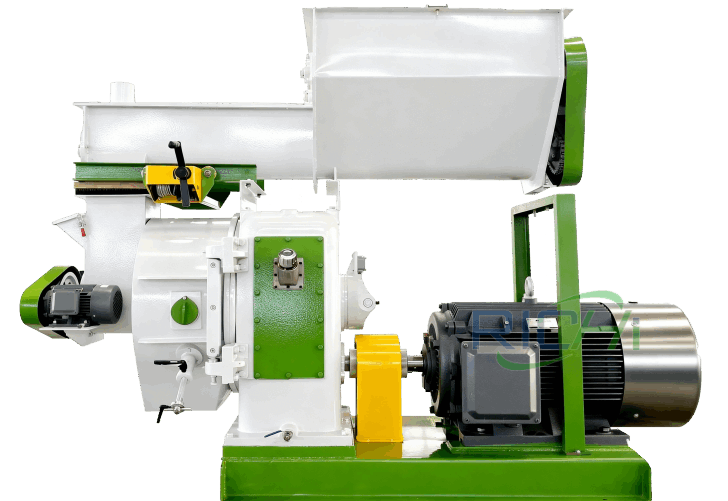
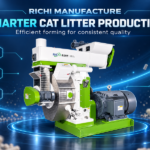
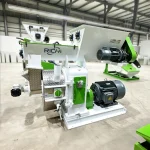
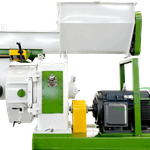
The term wood pellet mill machine broadly refers to the complete mechanical assembly responsible for forming pellets from preprocessed wood biomass. This includes the die, rollers, feeding system, conditioning chamber, and discharge mechanism. In industrial contexts, pellet mill machines are classified by their die type (flat or ring), drive configuration (direct or belt), and production capacity (measured in tonnes per hour).
A wood pellet mill machine is the dominant capital asset in any pellet production facility. Its selection must align with feedstock characteristics, target output volume, available utilities (power supply, water for cooling), and the physical constraints of the installation site.
What Sets a Wood Pellet Press Apart?
The term wood pellet press often refers specifically to the pressing mechanism within the pellet mill — the die-and-roller assembly where raw material is compressed into pellet form. In some industry contexts, however, “pellet press” is used synonymously with “pellet mill machine.” Regardless of terminology, the key engineering principles are the same: pressure, heat, and die geometry determine pellet quality.
When evaluating a wood pellet press, critical variables include:
- Die Material: High-alloy steel dies (e.g., X46Cr13 or 316 stainless) resist wear better than standard carbon steel, reducing replacement frequency and per-tonne production costs.
- Compression Ratio: Expressed as the ratio of die hole length to diameter, this parameter must be matched to the specific feedstock. Softwoods typically require lower ratios than hardwoods.
- Roller Count: Two-roller configurations are standard, while three-roller designs offer more even die surface utilization and can extend die lifespan.
- Roller Adjustment System: Hydraulic or mechanical gap adjustment affects how quickly operators can recalibrate for different feedstocks or account for die wear.
For technical comparisons between available models, prospective buyers should click reference product specification sheets and independent machinery reviews, which provide side-by-side performance data that cannot be assessed from marketing materials alone.
Flat Die vs. Ring Die: A Practical Comparison
Flat Die Wood Pellet Mill Machine
- Suitable for small-scale operations (under 500 kg/h)
- Lower initial cost and simpler maintenance
- Better suited for soft, low-density materials
- Limited scalability for commercial production
Ring Die Wood Pellet Press
- Standard for industrial-scale production (1–30+ t/h)
- Higher energy efficiency per tonne of output
- Consistent pellet density and durability across long production runs
- Greater capital investment but lower operating cost per tonne at scale
For most commercial applications, the ring die wood pellet press is the economically rational choice when considering the full lifecycle cost of the equipment.
The Importance of a Trusted Manufacturer
The engineering quality of a wood pellet mill machine is only fully revealed after months of continuous operation. Surface-level comparisons based on price alone frequently lead to costly surprises — excessive die wear, gearbox failures, or inconsistent pellet quality that causes customer complaints and contract penalties.
Richi Machinery has established itself as a benchmark supplier in this segment, offering ring die pellet mills across a wide capacity range with standardized spare parts, global service networks, and detailed operational training. Their machines are factory-tested before shipment, and clients receive comprehensive commissioning support to ensure startup proceeds without delays.
Integrating the Pellet Press Into a Complete Production Line
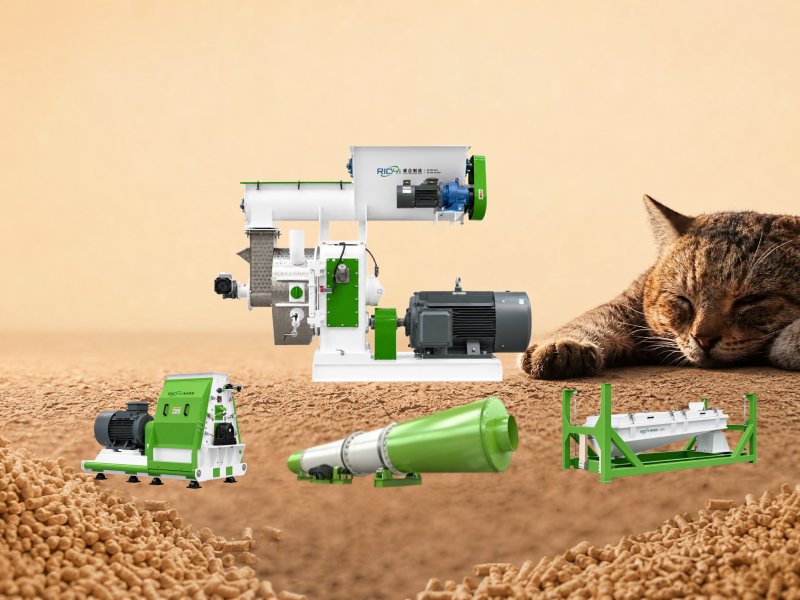
A wood pellet press does not operate in isolation. Its performance is directly dependent on the quality of upstream preparation (grinding, drying) and downstream handling (cooling, screening, packaging). Designing a production line requires balancing the capacity of every component to eliminate bottlenecks while avoiding unnecessary capital expenditure on oversized equipment.
Line design should also account for future expansion. Modular equipment layouts allow businesses to add capacity in stages rather than committing to maximum scale at inception, which reduces financial risk during the market development phase.
Consulting with experienced engineers — and using click reference resources from your equipment supplier — during the design phase significantly reduces the risk of layout inefficiencies that are expensive to correct post-installation.
Conclusion
Whether you call it a wood pellet mill machine or a wood pellet press, selecting the right equipment is a decision that will shape your operation’s productivity and profitability for years. Evaluate technical specifications carefully, partner with proven manufacturers like Richi Machinery, and invest in proper line design to build a pellet production business that delivers consistent, high-quality output at competitive operating costs.
https://www.richimanufacture.com/biomass-pellet-making-machine/