



Here’s something that confuses a lot of people. You go online to look for a sawdust pellet machine, and the prices are all over the map. One is $3,000. Another is $30,000. A third is $100,000. They all claim to do the same thing—turn sawdust into pellets. So what’s going on?
The short answer is that they’re not the same at all. They might look similar in pictures, but they’re built for completely different purposes. One is for someone who wants to process a few bags of sawdust a week. Another is for a commercial operation running 24 hours a day. And a third is for an industrial plant that needs to produce tons of pellets every single day.
If you’re shopping for a pellet machine, understanding these differences is the key to making a smart purchase. Pay too little, and you might end up with a machine that can’t keep up or falls apart after a few months. Pay too much, and you’ve spent money on capacity you’ll never use. Let’s walk through what you’re actually paying for—and what you can expect at different price points.
What You’re Actually Paying For
When you buy a sawdust pellet machine, you’re paying for more than just the metal and the motor. The price reflects the machine’s capacity, its build quality, the engineering behind it, and the manufacturer’s reputation.
Capacity is the biggest driver of cost. A machine that processes 100 kilograms per hour has a smaller motor, a smaller die, and lighter construction than a machine that processes 1,000 kilograms per hour. The larger machine needs more power, heavier steel, and more robust bearings to handle the load. It’s like comparing a scooter to a truck—they both get you from point A to point B, but they’re built for very different jobs.
Build quality matters too. A machine with a die made from standard steel will be cheaper than one with a die made from wear-resistant alloy. The alloy die lasts much longer, especially when processing abrasive materials like sawdust. On paper, the cheaper machine looks like a better deal. But when you factor in the cost of replacing dies more frequently, the math changes.
Engineering is another factor you’re paying for. A well-designed machine runs smoothly, requires less maintenance, and produces consistent pellets. A poorly designed machine vibrates, wears unevenly, and produces variable quality. You can’t always see this difference in a product photo, but you can feel it within the first few weeks of operation.
The Entry-Level Machines
These are the machines you see for a few thousand dollars. They typically produce 100 to 300 kilograms per hour and are often flat-die designs. They’re simple, affordable, and aimed at small workshops, hobbyists, or farms that just want to process their own waste material.
There’s nothing wrong with these machines—if you understand their limitations. They’re not built for continuous operation. The bearings might not be sealed well against sawdust. The motor might not be rated for running all day. You might need to let the machine cool down between runs.
If you’re processing a few hundred kilograms of sawdust a week, an entry-level machine can work just fine. It’s a practical solution for a small operation. But if you’re planning to run it for hours every day, you’ll quickly run into problems.
The Mid-Range Machines
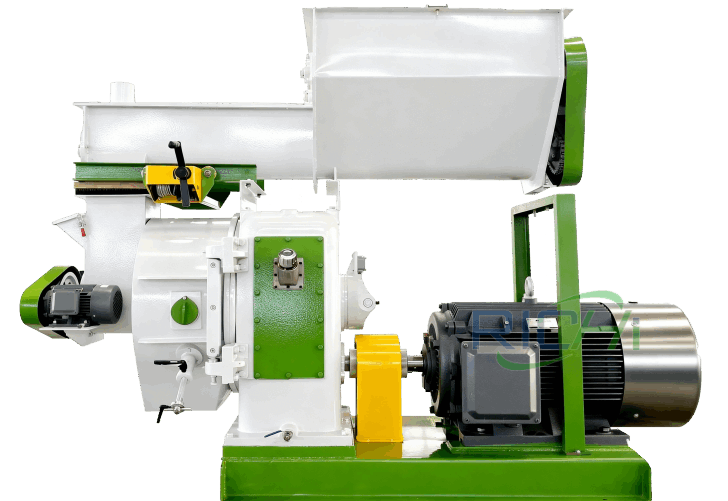
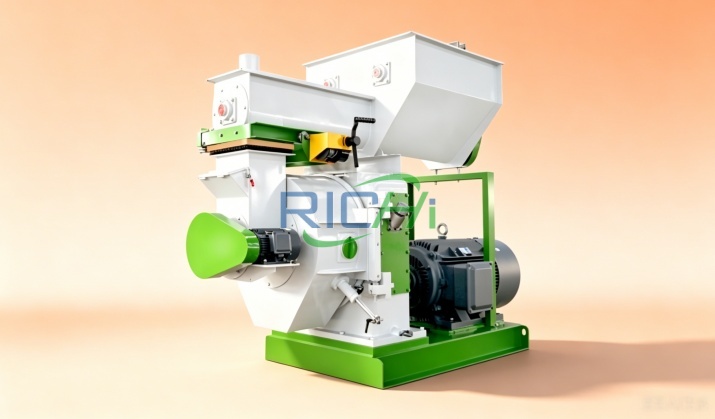
These machines typically cost between $10,000 and $30,000 and produce 300 to 1,000 kilograms per hour. They’re often ring-die designs, which are more efficient for continuous operation. The bearings are sealed. The motor is rated for continuous duty. The die is made from wear-resistant alloy.
These are the workhorses. They’re suitable for small commercial operations—a furniture factory, a small sawmill, or a farm that wants to turn waste into a saleable product. The investment is significant, but the machine can run for hours without issues.
The quality of the pellets from these machines is generally good. The conditioning is consistent. The die holds its tolerances. The result is a product that’s marketable, whether you’re selling pellets for heating or using them yourself.
The Industrial Machines
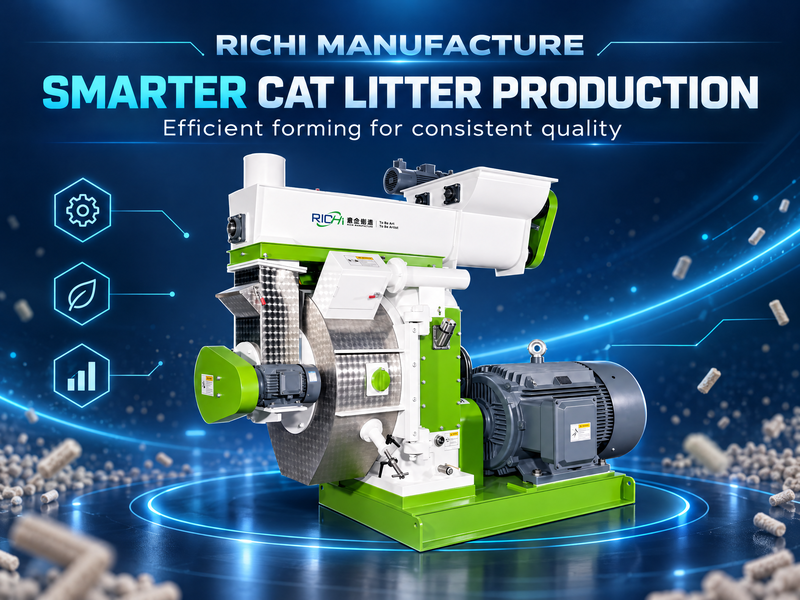
At the top end of the market, a large scale biomass pellet machine can cost $100,000 or more and produce several tons per hour. These are the machines used in commercial pellet plants. They’re designed for 24/7 operation, built with the highest quality components, and controlled by sophisticated automation systems.
The die in these machines is made from the best alloy. The rollers are precision-machined. The bearings are oversized. The control system monitors temperature, pressure, and feed rate, adjusting parameters automatically to maintain consistent quality.
For operations that need to produce pellets at scale, these machines are the only practical option. The cost per ton of production is lower than with smaller machines, and the reliability is essential for meeting production schedules.
What Else You Need to Consider
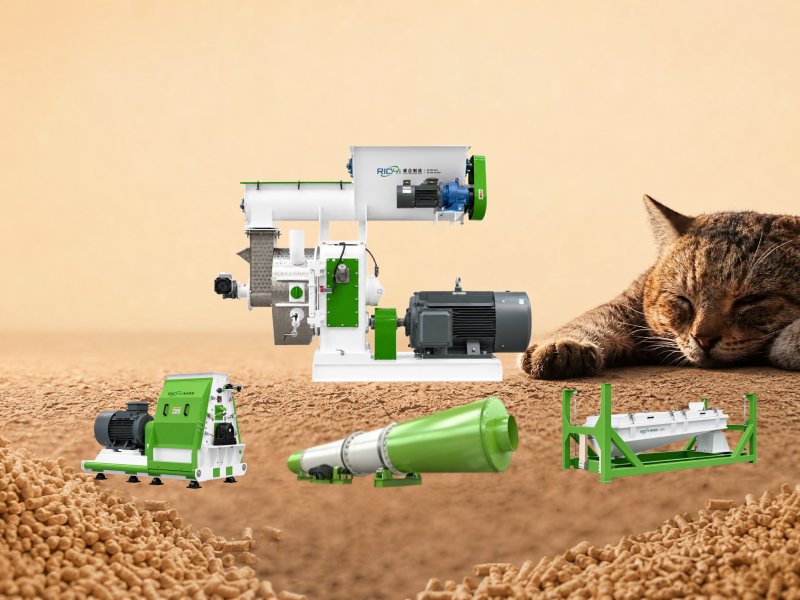
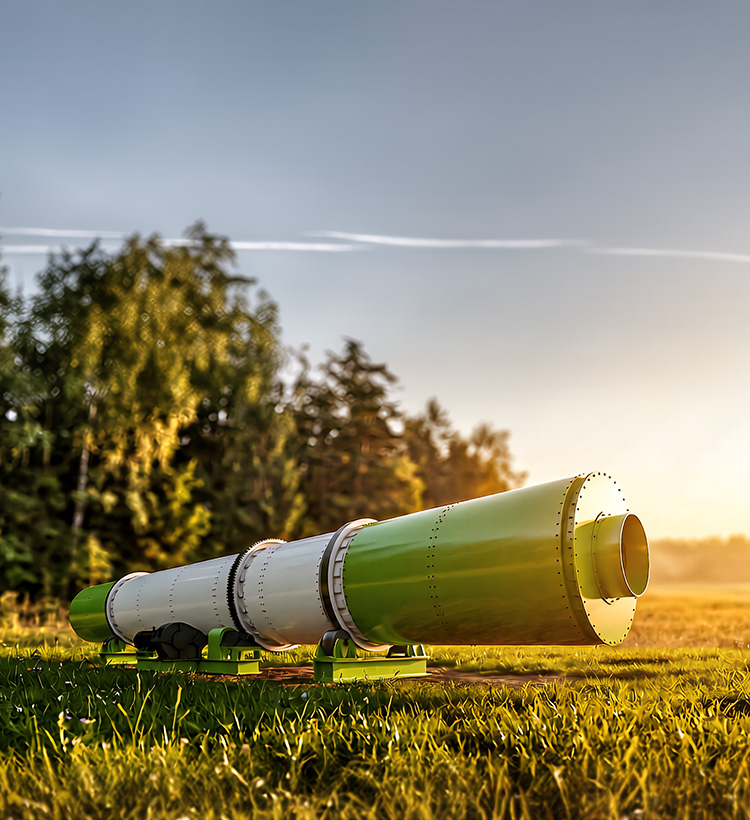
The pellet machine itself is only part of the investment. To produce quality pellets, you also need supporting equipment. A hammer mill to grind coarse material. A dryer to reduce moisture content. A cooler to harden the finished pellets. A screener to remove fines.
Each of these adds to the initial cost and to the operating cost. But they’re also essential for producing a consistent, marketable product.
The sawdust pellet machine price is just one number. The total investment—including the supporting equipment—is what you really need to consider.
The Operating Costs That Add Up
The purchase price is what you pay upfront. But there are ongoing costs that can be just as significant. Electricity, labor, and maintenance all need to be factored into your decision.
Electricity is a big one. The motor runs during operation, and power consumption depends on the machine’s capacity and efficiency. A machine that’s more efficient will cost less to run over time.
Labor is another factor. A more automated machine requires less operator time. A manual machine needs someone to watch it and make adjustments. The labor cost can vary significantly depending on your setup.
Maintenance is a regular expense. The die and rollers wear over time and need replacing. Bearings need lubrication. A machine that’s easy to service will have lower long-term costs.
What You’re Going to Do With the Pellets
Your choice of machine also depends on what you’re going to do with the pellets. If you’re making fuel for your own heating system, you don’t need the same quality as someone who’s selling pellets to commercial buyers. Your standards are different.
If you’re selling pellets, quality matters. Consistent size, low moisture, and good durability are what buyers are looking for. A machine that produces variable quality will make it hard to build a customer base.
The wood pellet making machine market is competitive. To compete, you need a product that meets the market’s expectations. That means investing in the right equipment for the job.
Finding the Right Balance
The decision comes down to matching the equipment to your needs and your budget. A machine that’s too small will frustrate you. A machine that’s too large will waste your capital.
The pellet maker you choose should be sized for the material you have available and the production volume you need. It should be built to handle the operating conditions you’ll subject it to.
And it should come from a manufacturer you can trust. The support you get—installation help, training, spare parts availability—matters as much as the machine itself.
If you’re just starting out, an entry-level machine might be the right way to learn the process without a huge upfront commitment. If you’re already in business and need reliable production, the mid-range or industrial options are worth the investment.
The market has options at every level. The trick is knowing what you’re actually buying and what you’re going to do with it.
Related post:https://pelletizerextruder.com/sawdust-pellet-machine/