
1. Introduction: The Growing Demand for Alfalfa Pellets
Alfalfa has long been recognized as a nutrient-rich forage crop, highly valued for livestock such as cattle, horses, goats, and sheep. With the expansion of modern animal husbandry and commercial feed production, there is a rising demand for processed alfalfa in the form of pellets. A high-quality alfalfa pellet mill enables farmers and feed producers to convert raw alfalfa into dense, easy-to-store pellets that retain nutritional value while improving feed efficiency.
Pelletized alfalfa not only simplifies storage and transport but also allows precise rationing of feed for livestock. In regions with large-scale dairy or beef operations, investing in an alfalfa pellet mill enhances productivity, reduces waste, and ensures consistent quality. The growing popularity of alfalfa pellets highlights both economic and ecological benefits, as it promotes sustainable farming practices.
2. Historical and Cultural Significance of Alfalfa
Alfalfa, also known as lucerne, has been cultivated for thousands of years, originally in the Middle East and later spreading across Europe, Asia, and the Americas. Traditionally, livestock fed on alfalfa in its fresh or dried form, often as hay. However, with the intensification of animal husbandry in the 20th century, hay storage, transportation, and nutrient preservation became challenges.
The invention and adoption of the alfalfa pellet mill addressed these challenges by transforming bulky hay into high-density, nutrient-preserving pellets. In cultures where dairy and meat production are central to the economy—such as the United States, Canada, and parts of Europe—alfalfa pellets have become a staple in modern feed management systems. Today, a robust alfalfa pellet mill for sale represents both technological innovation and continuity with centuries-old agricultural practices.
3. Components and Function of an Alfalfa Pellet Mill
A typical alfalfa pellet mill system comprises several interconnected components:
Hammer Mill / Grinder: Reduces alfalfa stems and leaves into fine powder suitable for pelletizing.
Mixer: Ensures even distribution of added nutrients or supplements.
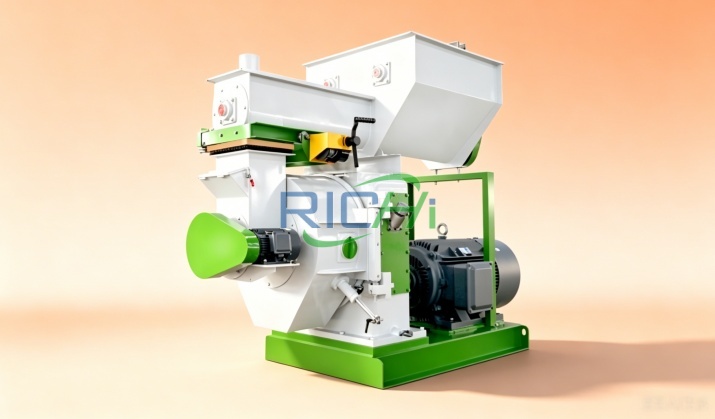
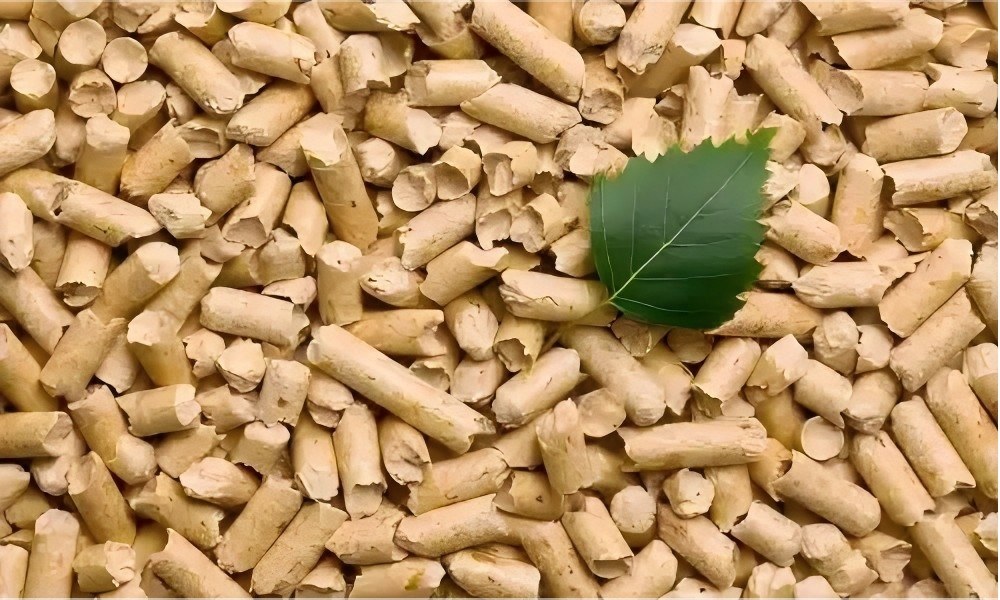
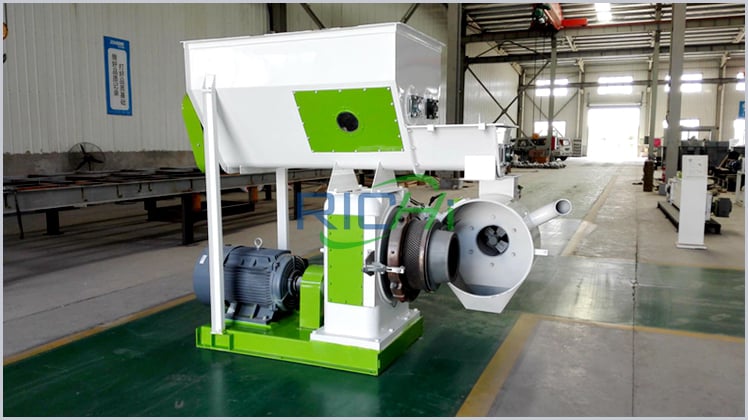
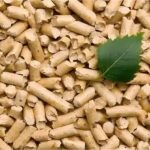
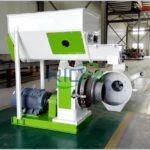
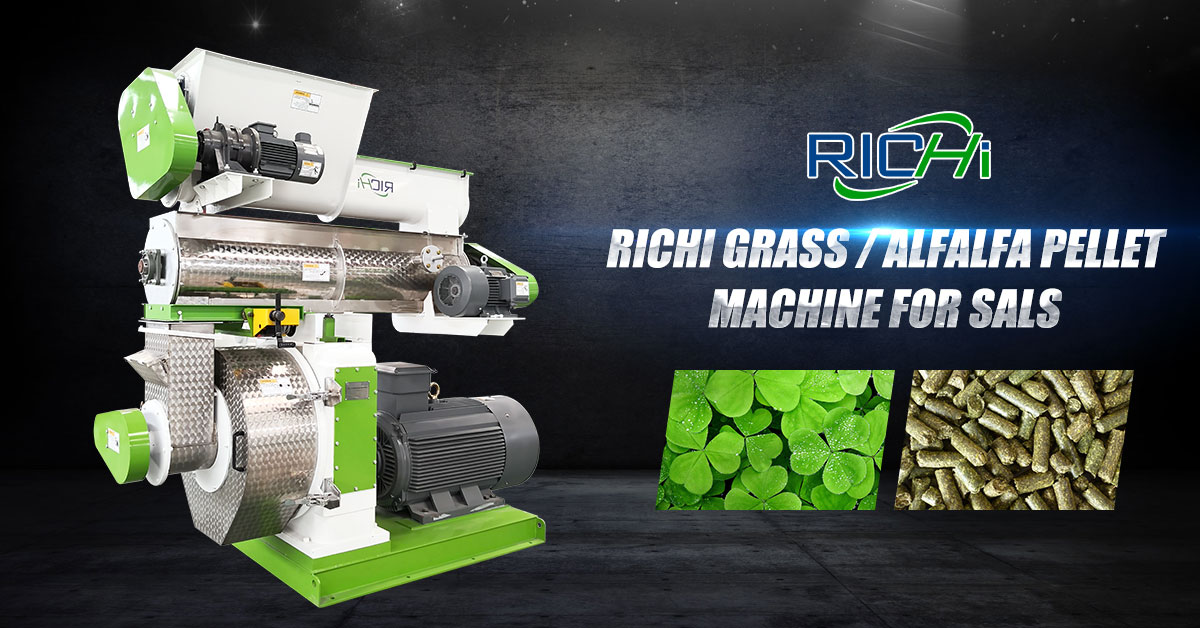
Pellet Mill: Compresses alfalfa powder into cylindrical pellets, maintaining density and shape.
Dryer: Lowers moisture content to increase pellet stability and shelf life.
Cooling System: Prevents pellets from breaking or crumbling during storage and packaging.
Packaging Unit: Prepares pellets for transport or commercial sale.
Advanced mills often integrate automation systems for consistent pellet size, density, and quality. Reputable manufacturers, including RICHI, provide scalable solutions for small farms and industrial feed production operations, ensuring efficiency and long-term reliability. https://richipelletizer.com/alfalfa-pellet-production-line/
4. Advantages of Using an Alfalfa Pellet Mill
Investing in an alfalfa pellet mill for sale offers multiple advantages:
Nutrient Preservation: Pellets retain more vitamins, proteins, and minerals than loose hay or silage.
Ease of Storage and Transport: Dense pellets occupy less space and are easier to handle than bulky hay.
Uniform Feed: Consistent pellet size allows precise feeding and reduces selective eating by livestock.
Reduced Waste: Pellets minimize feed loss caused by wind, moisture, or uneven consumption.
These benefits make pelletized alfalfa a preferred choice for commercial livestock operations, promoting higher productivity and improved animal health.
5. Technological and Environmental Considerations
Producing high-quality alfalfa pellets requires careful control of moisture content, temperature, and compression. Excess moisture can cause pellets to crumble, while inadequate moisture may increase wear on the pellet mill. Modern alfalfa pellet mills, including machines from RICHI Pellet Mill, incorporate advanced extrusion and drying technologies, automated monitoring systems, and energy-efficient designs to ensure consistent output and reduced maintenance.
Environmentally, alfalfa pellet production supports sustainable agriculture. By converting harvested alfalfa into dense pellets, farmers can reduce spoilage, optimize storage, and minimize environmental waste. Additionally, pelletized feed reduces the need for frequent transportation, lowering carbon emissions associated with feed logistics.
6. Economic and Market Significance
The global demand for alfalfa pellets continues to grow, driven by the expansion of livestock industries in Europe, North America, and Asia. Feed accounts for a significant portion of livestock production costs, and pelletized alfalfa offers a cost-effective solution by improving feed efficiency and reducing waste.
Investing in a reliable alfalfa pellet mill for sale enables farms to produce high-quality feed internally, reducing dependency on external suppliers. For commercial feed producers, large-scale pellet mills can serve multiple clients or regions, creating stable revenue streams and strengthening market presence.
7. Choosing the Right Alfalfa Pellet Mill and Supplier
Selecting the right alfalfa pellet mill involves multiple considerations:
Production Capacity: Machines range from small-scale 0.5–2 tons per hour to industrial-scale 10–30 tons per hour units.
Energy Efficiency: Efficient machines reduce operational costs while maintaining pellet quality.
Automation and Control Systems: Advanced mills minimize labor and maintain consistent output.
Supplier Reliability: Working with reputable manufacturers such as RICHI ensures technical support, spare parts, and maintenance guidance.
Proper selection ensures long-term profitability, reduced downtime, and high-quality feed production. Official source
8. Cultural and Nutritional Importance
Alfalfa is widely regarded as a “super forage” because of its high protein, fiber, and mineral content. Pelletized alfalfa allows farmers to deliver precise nutrition, supporting milk production, meat quality, and overall livestock health.
Culturally, alfalfa has played a critical role in agricultural societies, from traditional pasture feeding to modern commercial farms. By integrating technology like the alfalfa pellet mill, communities can preserve this heritage while enhancing productivity and sustainability.
9. Conclusion: A Sustainable Investment in Feed Production
An alfalfa pellet mill for sale is more than a piece of machinery; it represents a strategic investment in sustainable, efficient, and profitable animal feed production. Modern machines enable the production of nutrient-dense, uniform, and easy-to-handle pellets, benefiting both livestock and farm economics.With reliable solutions from suppliers such as RICHI, farms can scale operations, optimize feed efficiency, and contribute to environmentally responsible agriculture. As the global livestock industry grows, alfalfa pellet production remains a key driver of both productivity and sustainability. 10 12tph forage grass pellet production line in usa